Valentine’s Day isn’t just a date on the calendar anymore it’s a globally celebrated cultural phenomenon, and jewelry brands played a crucial role in shaping its narrative. From iconic red boxes to heart-shaped gems, renowned jewelry houses have influenced how the world perceives love, romance, commitment, and even self-expression.

Love Not Just a Feeling, But a Brand Story
For centuries, love was expressed through poetry, gestures, and cultural rituals. But in the 20th and 21st centuries, jewelry brands helped transform love into visual symbols: necklaces, rings, bracelets that signify emotion, promise, and memory.
Brands like Cartier, Tiffany & Co., Pandora, Swarovski, and Brilliant Earth didn’t just sell jewelry they sold emotions and aspirations. And nowhere is this more evident than during Valentine’s Day.
How Jewelry Brands Reinvented Love
1. Creating Timeless Symbolism
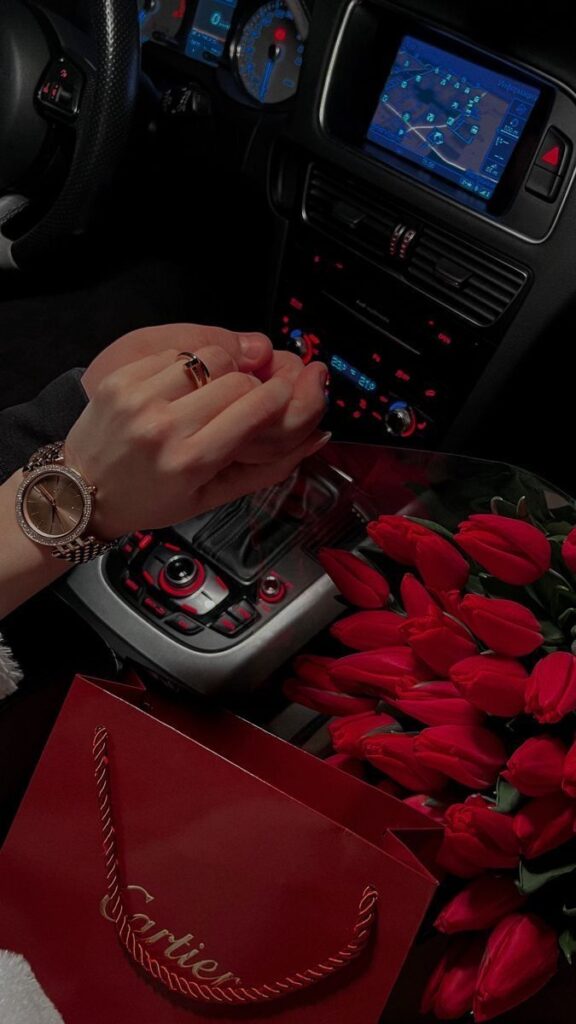
From Cartier’s Love Bracelet designed in 1969 to symbolize commitment to Tiffany’s Engagement Rings, jewelry became a visual shorthand for love, promise, and commitment. These pieces became more than accessories; they became heirlooms of emotion.
2. Emotional Storytelling That Resonates
Unlike typical ads, jewelry campaigns focus on stories of couples, of proposals, of anniversaries. These narratives tap into universal desires for connection and lasting memories.
- Tiffany’s “Will you?” campaigns: minimal visuals, emotional impact.
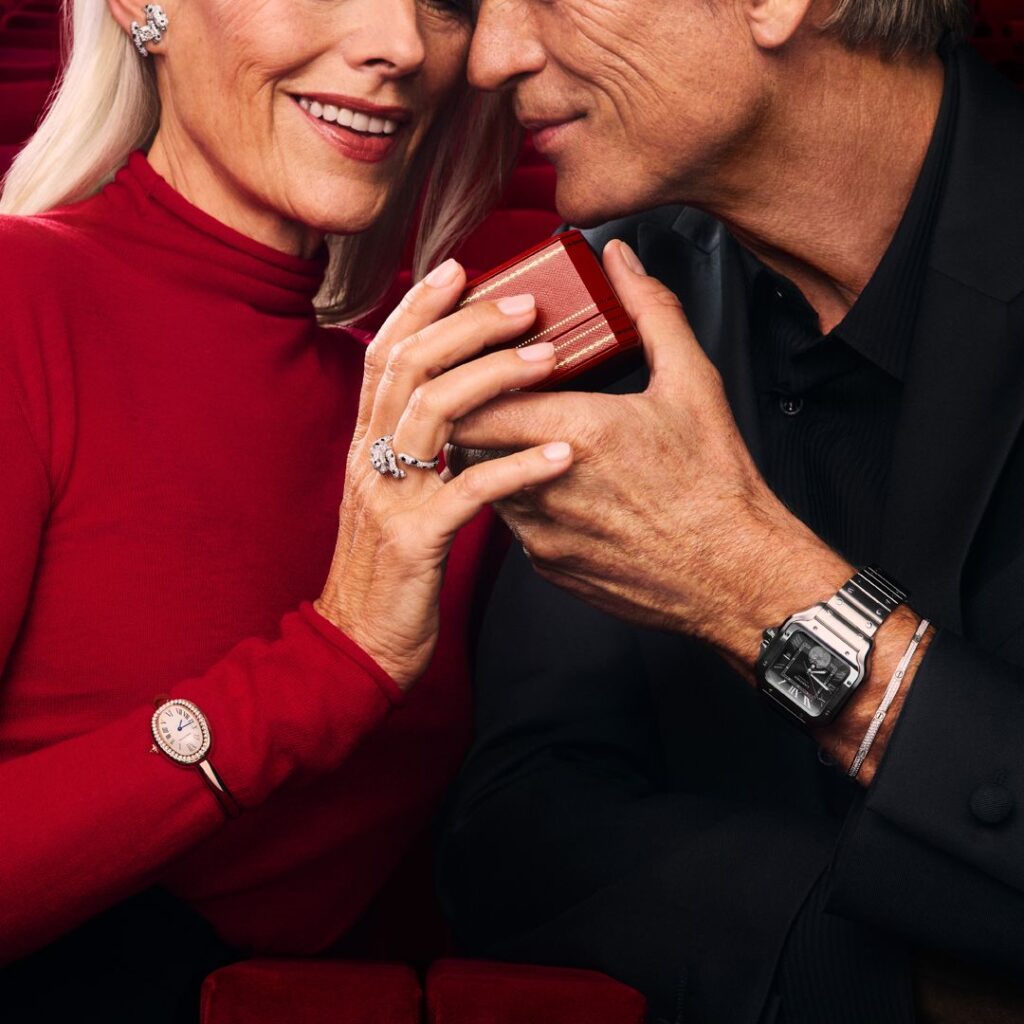
- Cartier’s storytelling of “Love as an eternal bond.”
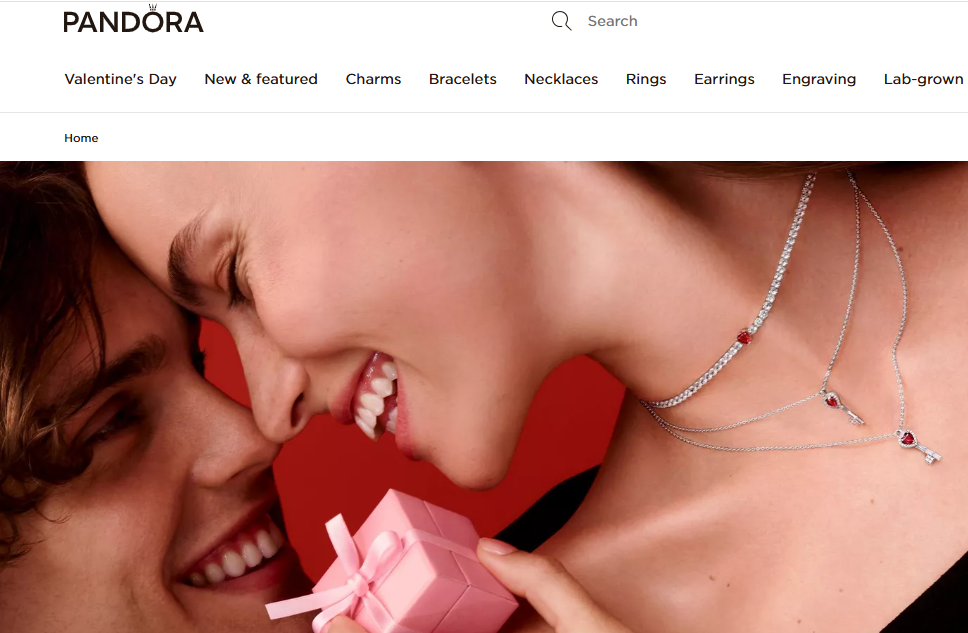
- Pandora’s heart-centric collections celebrating everyday love.
These campaigns shifted Valentine’s emphasis from one-day romance to ongoing emotional meaning.
3. Personalization and Inclusivity
Brands like Pandora and Brilliant Earth champion personalization:
- Charm bracelets that tell one’s story.
- Ethically-sourced gemstones.
- Custom creations for diverse relationships and identities.
This made jewelry not just a gift, but a personal symbol of love.
4. Social Media Amplification
Valentine’s campaigns are now major social media drivers. User-generated content, couple photos, influencer endorsements brands turned real love stories into living campaigns. This translates to higher engagement and organic reach.
Commercialization and Pressure
1. Love Turned Into Consumerism
While jewelry deepened emotional narratives, it also commercialized love:
- Valentine’s Day became a spending holiday.
- Brands often promote the idea that “love equals buying jewelry.”
This puts pressure on individuals to equate emotional value with monetary value.
2. Reinforcing Traditional Norms
Some campaigns especially around engagement rings reinforce outdated norms like:
- Proposals as performative events.
- Expectation that men must buy expensive jewelry.
These narratives can make people feel excluded or out of place if they don’t fit the portrayed mold.
3. Ethical and Sustainability Concerns
Though brands like Brilliant Earth emphasize ethical sourcing, the jewelry industry at large still faces scrutiny around:
- Diamond mining and environmental impact
- Worker conditions
- Carbon footprint from luxury productions
This has led to consumer skepticism and a desire for more transparent value chains.
4. The Pressure of Perfection
Modern Valentine’s imagery often portrays flawless relationships and luxurious gifts creating unrealistic expectations and emotional pressure.
Valentine’s Day Then vs. Now

Before Jewelry Campaigns
Valentine’s Day was a romantic but modest holiday: cards, flowers, simple gestures.
After Jewelry Revolution
Valentine’s became:
- A global retail season
- A celebration of commitment and personal storytelling
- A media and social culture phenomenon
Sales, hashtags, and emotional storytelling now define how millions view love.
Where Jewelry Brands Stand in the Changing Market
1. Emotional Value Over Price
Today’s consumers, especially Gen Z and Millennials, value meaning, story, and ethics more than price tag alone. Jewelry brands have responded by:
- Offering customizable pieces
- Telling diverse love stories
- Prioritizing ethical sourcing
2. Inclusivity and Representation
Brands that embrace diverse relationships, gender expressions, and modern love definitions are gaining loyalty and relevance.
- LGBTQ+ inclusive campaigns
- Personalized collections for every kind of partnership
- Narrative storytelling that moves beyond tradition
3. Experiential Retail
Brands now combine in-store experiences, digital try-ons, and social campaigns making jewelry buying more emotional and immersive.
Final Thoughts: Love Emotion or Expectation?
Big brands undeniably reshaped love’s imagery:
Jewelry turned emotions into symbols.
Stories became campaigns.
Valentine’s shifted from sentiment to celebration.
But with that transformation came commercial pressure, societal expectations, and cultural evolution. Today’s audience celebrates love in multiple forms: romantic, self-love, friendships, family ties and jewelry now serves as a canvas for those stories, not just a product.
What started as red roses and handwritten notes has become a multi-sensory experience where love isn’t just felt, it’s worn, shared, and remembered.
Follow The Jewelry Gossips on all social media platforms for more thoughtful conversations, industry insights, and untold jewelry stories.