Gold jewelry is timeless. But when you’re buying, selling, or designing gold pieces, one question always comes up: Which gold is best 14K, 18K, or 22K? Each karat tells a story of purity, durability, color, price, and purpose.
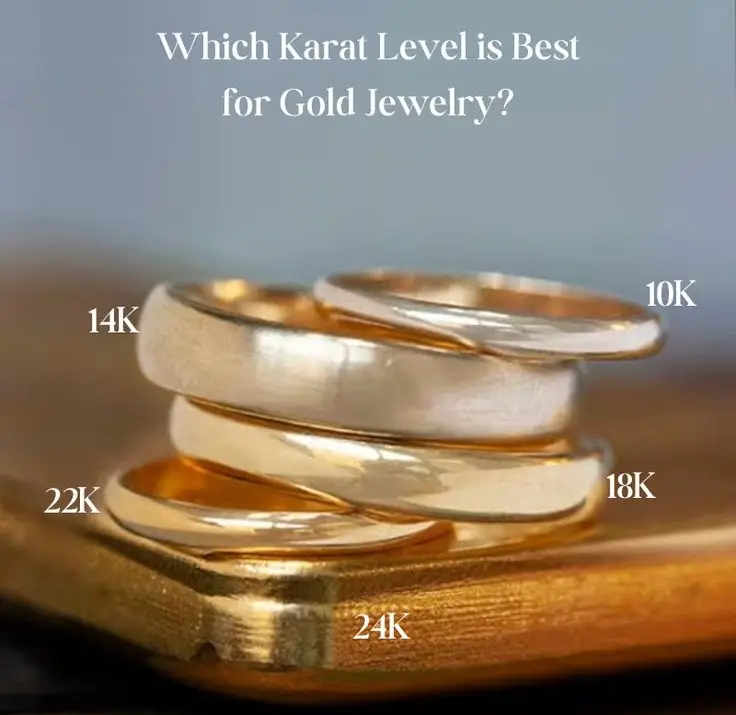
Whether you’re a wholesaler evaluating inventory, a retailer advising customers, or a gold lover choosing your next piece, this detailed guide will help you make the right decision based on facts, usage, and trends.
What About 24 Karat Gold — And Why Isn’t It Used for Jewelry?
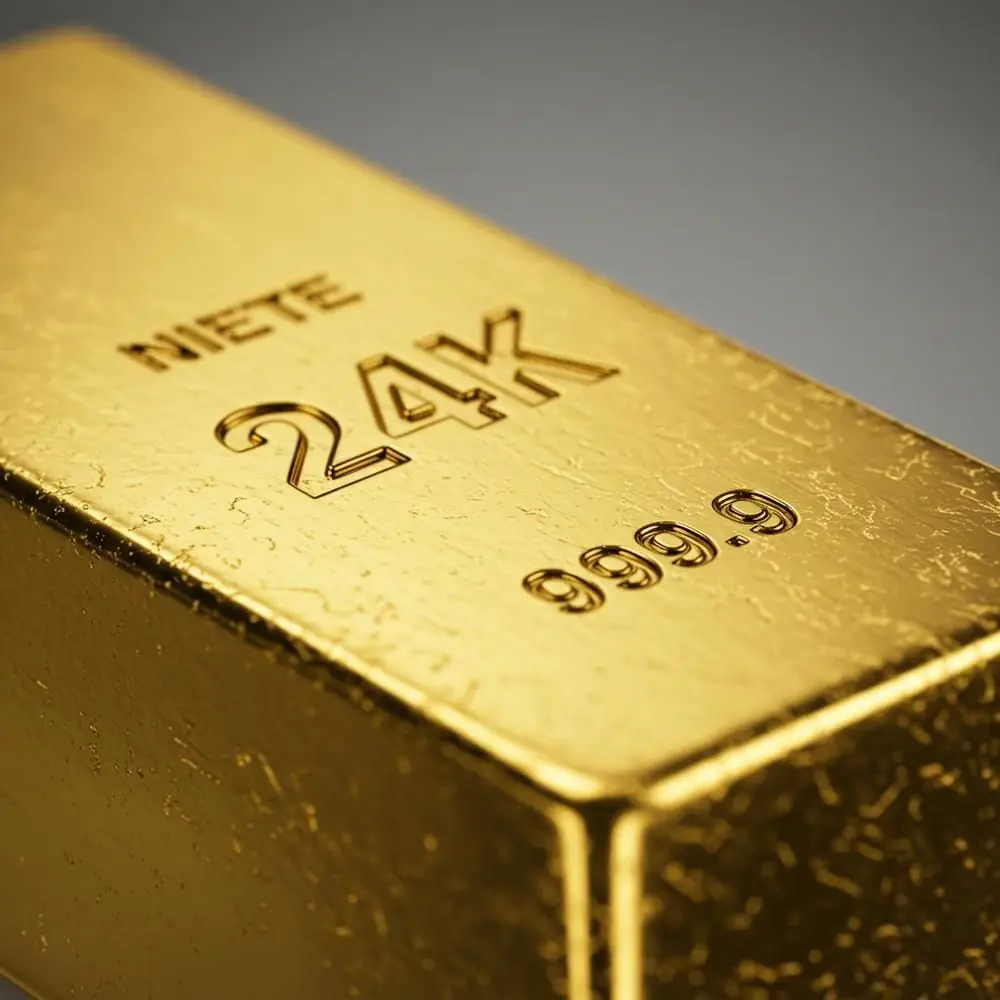
24 Karat gold is considered 100% pure gold (99.9% purity) the highest form of gold available. While it sounds ideal, 24K gold is extremely soft and malleable, making it impractical for crafting wearable jewelry.
Pure gold bends easily, scratches instantly, and cannot securely hold gemstones or maintain structured designs. Even simple chains or rings made from 24K gold would lose shape with minimal handling. That’s why jewelers mix gold with stronger metals like copper or silver to create alloys such as 22K, 18K, and 14K, adding durability while preserving beauty.
Today, 24K gold is mainly used for coins, bars, and investment purposes, rather than jewelry. For wearable pieces, strength matters just as much as purity which is why alloyed gold remains the industry standard.
Understanding Gold Karats: Purity Made Simple
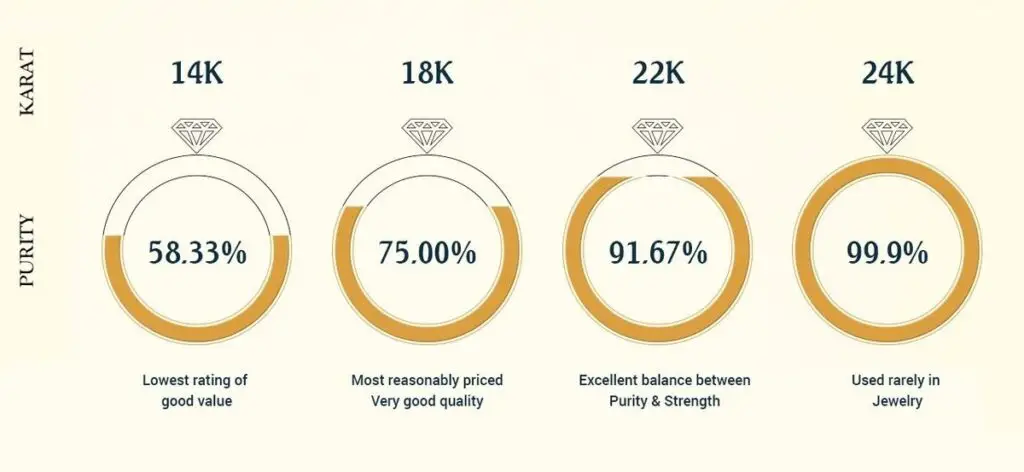
Gold purity is measured in karats (K) out of a total 24. So:
| Karat | % Pure Gold | Other Metals |
| 14K | 58.3% | 41.7% |
| 18K | 75% | 25% |
| 22K | 91.6% | 8.4% |
Alloys like copper, silver, zinc, or nickel are added to strengthen gold and tailor its look and feel.
14K Gold: Durable & Budget-Friendly
Who it’s for:
• Everyday wear jewelry buyers
• Retail stores catering to active lifestyles
• Wholesalers targeting affordable collections
Key Features:
- Strong & scratch-resistant: The higher alloy content makes 14K gold harder, ideal for rings, bracelets, and pieces worn frequently.
- More affordable: Lower gold content = lower price per gram, which appeals to value-conscious buyers.
- Versatile designs: Works well for modern and practical jewelry.
- Color: Lighter yellow compared to higher karats due to more alloys.
Pros ✔️
✔ Best for everyday wear
✔ Lower price entry point
✔ Highly durable
Cons ❌
❌ Slightly less rich color
❌ Lower resale/melt value
18K Gold: The Balanced Choice
Who it’s for:
• Retailers focused on premium collections
• Customers seeking rich color + good durability
• Designers blending tradition with modern aesthetics
Key Features:
- Rich gold tone: Warmer, more luxurious look than 14K.
- Balanced strength: Softer than 14K but harder than 22K great for fine jewelry, gemstone settings, and heirloom pieces.
- Hypoallergenic: Higher gold content means fewer alloy metals, reducing skin reactions.
Pros ✔️
✔ Excellent blend of purity & strength
✔ Ideal for diamond-set and designer pieces
✔ Popular globally across markets
Cons ❌
❌ Costlier than 14K
❌ Slightly more prone to wear than 14K
22K Gold: Traditional & Premium Purity
Who it’s for:
• Bridal jewelry buyers in India & the Middle East
• Wholesalers specializing in ceremonial collections
• Those seeking cultural and investment appeal
Key Features:
- High gold purity: 91.6% gold gives a bright, deep yellow color that’s highly prized especially in traditional jewelry.
- Rich aesthetic: For bridal sets, mangalsutras, heavy necklaces, and culturally significant pieces.
Pros ✔️
✔ Maximum purity & brilliant shine
✔ Higher resale and cultural value
Cons ❌
❌ Softer and more prone to scratches
❌ Not ideal for daily wear with hard activity
Wholesaler Perspective: Inventory That Sells
For wholesalers, karat diversity matters:
- 14K pieces move faster in markets targeting younger buyers, workwear collections, and affordable bridal pieces.
- 18K gold consistently performs well in international markets marrying elegance with practicality.
- 22K gold dominates in traditional segments and wedding seasons (especially in South Asian markets).
Tip: Offer a mix of 14K, 18K, and 22K SKUs to balance turnover, margin, and customer satisfaction.
Retailer Insight: Advising Customers
Retail success lies in education:
🔹 “Is this for everyday wear?” Recommend 14K or 18K.
🔹 “I want bridal jewelry.” Suggest 22K.
🔹 “I have sensitive skin.” Lean toward 18K.
🔹 “Budget is a priority.” 14K delivers value.
Also, with global gold prices rising, many customers are choosing 14K/18K over 22K for affordability without sacrificing quality, a trend seen across major Indian jewelry markets in recent seasons.
Jewelry Lover Angle: What Should You Pick?
Ask yourself:
How often will I wear it?
Daily → 14K / 18K
Occasion → 18K / 22K
Is resale value important?
Higher purity (22K) wins.
Do you want vibrant color?
22K > 18K > 14K in wealth.
Is durability key?
14K is toughest; great for active hands.
Your choice ultimately depends on lifestyle, design preference, budget, and purpose.
Which Gold Is Best?
There’s no one-size-fits-all answer but here’s how to think about it:
- Choose 14K for durability, everyday jewelry, and affordable collections.
- Choose 18K for a balance of luxury and practicality excellent for fine jewelry and gemstone pieces.
- Choose 22K for traditional bridal and cultural jewelry with maximum purity and resale value.
In short: 14K for hard-wearing pieces, 18K for style & elegance, and 22K for tradition & investment depending on what you’re buying, selling, or gifting.
Follow The Jewelry Gossip for more expert jewelry guides, gold buying tips, industry insights, and everything you need to make smarter sparkle decisions.
References & Further Reading
Here are the sources used to craft this blog:
- 14K vs 18K Gold: What’s the Difference? – BTK Collection 14K vs 18K Gold Comparison Guide
- Differences Between 22K, 18K, and 14K Gold – Gobind Jewelers Understanding 14K/18K/22K Gold Differences
- 18K vs 22K Gold: Durability, Color & More – Virani Jewelers 18K vs 22K Gold Explained
- 14K vs 18K vs 22K vs 24K Gold – JewelryThis Gold Karat Comparison Guide
- Gold Purity & Uses in Jewelry – Ebullion Gold Karat Uses and Comparison Chart
- Gold Market Trends (News) – Times of India Gold Prices & Karat Popularity Trends