Gold looks timeless but how it performs in your everyday life depends entirely on its purity. From washing dishes to typing all day, your jewelry goes through more than you think. So the real question isn’t just how beautiful your gold is… it’s how well it survives your lifestyle.
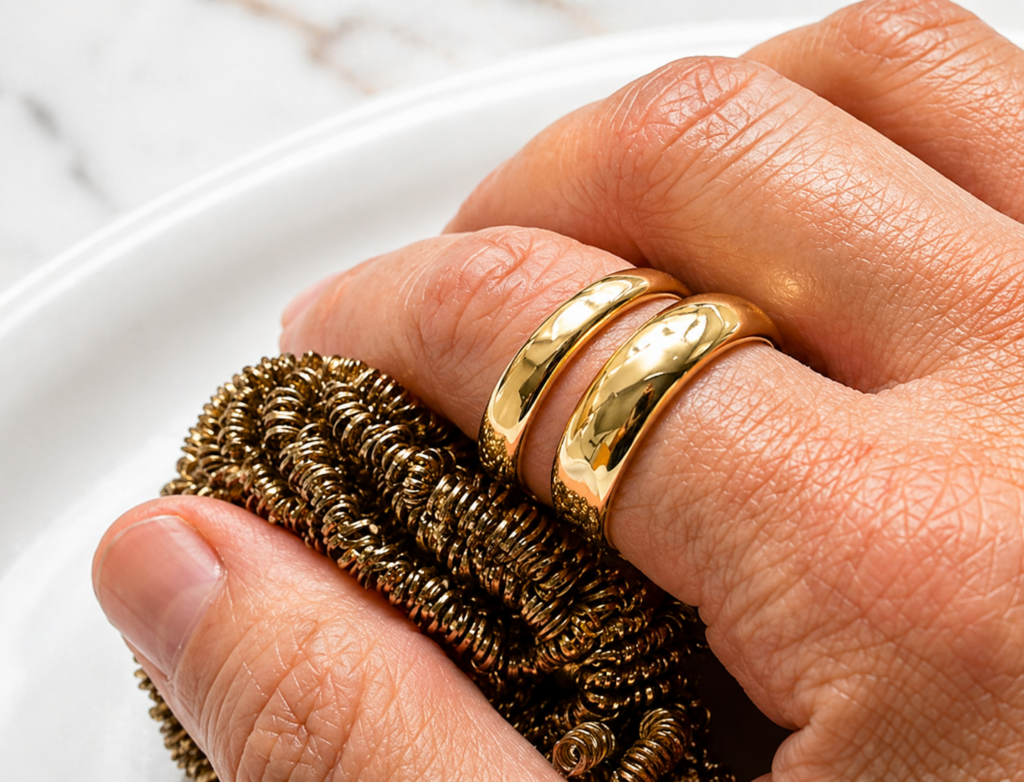
If you’ve ever wondered which karat gold is the best, or why your ring scratches faster than expected, this guide breaks it all down practically, realistically, and with insider industry clarity.
What Does Gold Purity Really Mean?
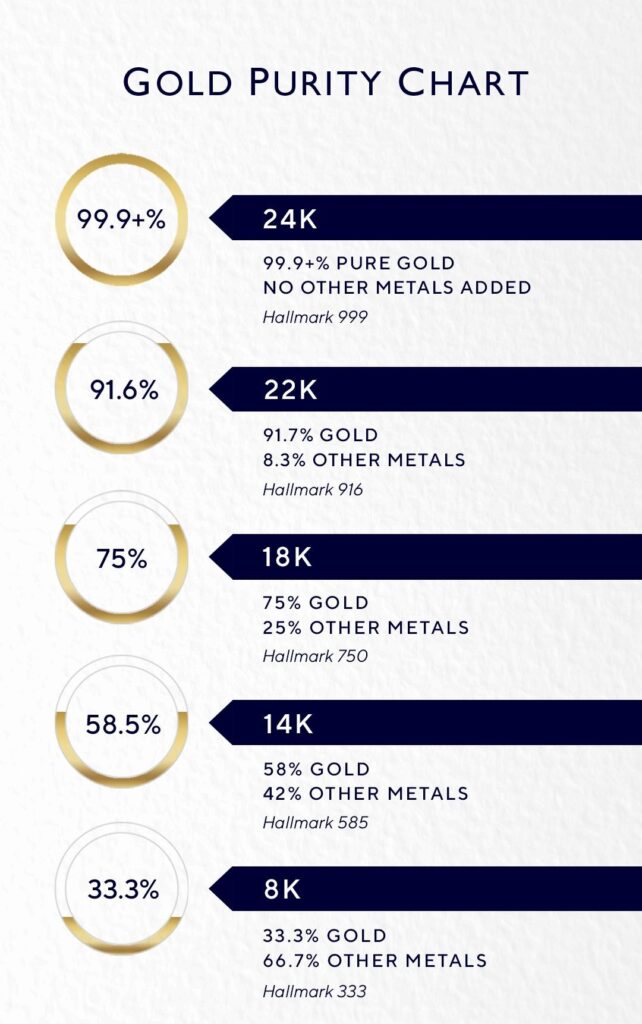
According to the World Gold Council, gold purity refers to how much pure gold is present in a piece of jewelry. It’s measured in karats (K), with 24K being the highest karat gold jewelry, almost 100% pure.
Here’s a quick breakdown:
- 24K gold purity – 99.9% pure gold (very soft)
- 18K gold purity – 75% gold + 25% alloy metals
- 14K gold purity – 58.3% gold
- 10K gold purity – 41.7% gold (most durable among common karats)
The lower the karat, the more alloy metals (like copper, silver, nickel) are mixed in making the gold stronger and more resistant to daily wear.
Why Gold Durability Matters in Daily Life
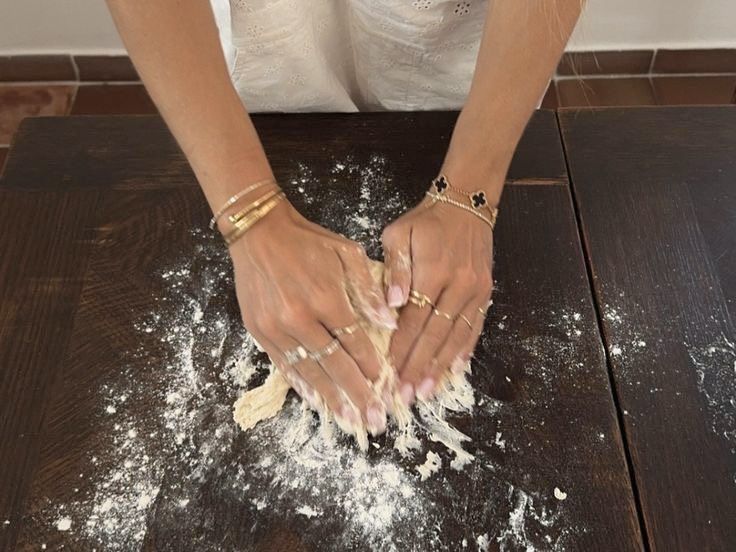
Think about your everyday routine:
- Washing hands (multiple times a day)
- Cooking and handling utensils
- Typing, texting, commuting
- Exposure to soap, heat, and friction
Pure gold is naturally soft. So while high purity gold looks rich and luxurious, it’s not always practical for daily wear.
That’s where karat choice becomes crucial.
10K vs 14K vs 18K Gold: Real-Life Durability Test
10K Gold Purity – The Tough Survivor
Best for: Active lifestyles, daily wear, budget buyers
10K gold is often underrated but in terms of durability, it’s a powerhouse.
- Highly resistant to scratches
- Less prone to bending
- Ideal for rings worn daily
Downside:
- Slightly duller yellow tone
- Higher alloy content may cause skin sensitivity for some
If you’re constantly on the go, this is one of the best karat gold options for everyday use.
14K Gold Purity – The Perfect Balance
Best for: Everyday luxury, engagement rings, versatile wear
14K gold is the most popular choice globally and for good reason.
- Strong enough for daily use
- Rich gold color without being too soft
- More resistant to wear than 18K
Why people love it:
- It balances gold purity + durability
- Works across all jewelry types (rings, chains, bracelets)
If you’re asking “what karat gold is best?” This is the safest, most recommended answer.
18K Gold Purity – The Luxe Statement
Best for: Occasional wear, luxury jewelry lovers
18K gold is where luxury meets craftsmanship.
- Deep, rich gold color
- Higher intrinsic value
- Preferred in high-end designer jewelry
But here’s the reality:
- Softer than 14K and 10K
- Scratches more easily
- Not ideal for rough daily activities
Perfect for statement pieces but not the best choice for heavy daily wear.
High-karat gold pieces, especially 18K and above, are often associated with luxury and collectible value, a trend frequently seen in fine jewelry presented by Sotheby’s.
Daily Household Activities vs Gold Karats
Here’s how each karat performs in real-life situations:
| Activity | 10K Gold | 14K Gold | 18K Gold |
| Washing dishes | ✅ Excellent | ✅ Good | ⚠️ Risk of wear |
| Cooking | ✅ Strong | ✅ Durable | ⚠️ Softer |
| Gym/Workout | ✅ Best | ⚠️ Moderate | ❌ Not recommended |
| Typing daily | ✅ Minimal wear | ✅ Balanced | ⚠️ Visible scratches over time |
| Occasional events | 👍 Good | 👍 Great | ⭐ Best |
What About Gold Coins & Gold Bars?
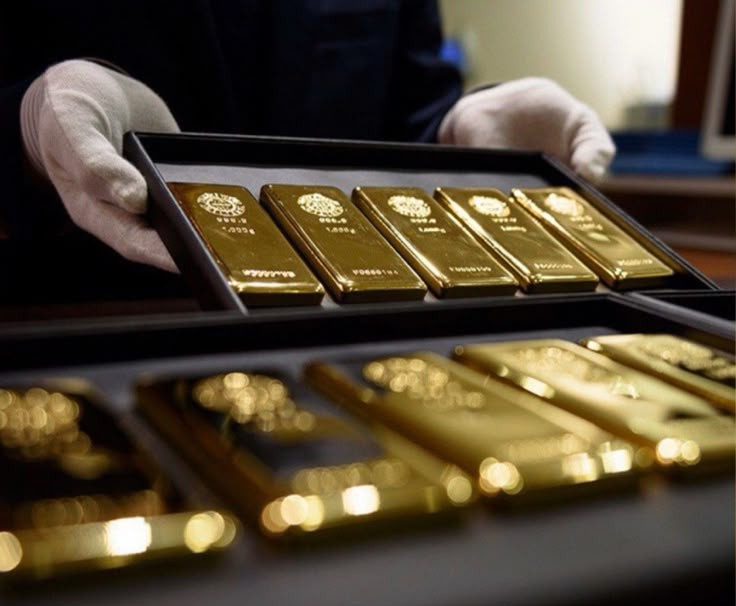
When we talk about gold coin purity and gold bar purity, durability isn’t the goal purity is.
- Gold coins and bars are typically 24K (99.9%)
- They are investment assets, not wearable jewelry
- Extremely soft and prone to scratches
That’s why you’ll rarely see 24K used in everyday jewelry.
Which Karat Gold Is the Best for You?
Let’s simplify it based on lifestyle:
- Busy, active lifestyle: 10K gold
- Balanced everyday wear: 14K gold
- Luxury + occasional wear: 18K gold
- Investment only: 24K gold
There’s no single “best” , only what fits your life.
Jewelry Industry Insight: What Buyers Are Choosing in 2026
From trade shows and retail trends:
- 14K gold is dominating everyday jewelry sales
- Consumers are prioritizing durability over purity
- Younger buyers prefer practical luxury
- 18K is still strong in bridal and premium segments
The shift is clear: people want jewelry that lives with them, not just sits in a box.
Styling + Longevity Tips for Everyday Gold Jewelry
Want your gold to last longer? Here’s what actually works:
- Remove jewelry before cleaning or heavy work
- Avoid exposure to harsh chemicals
- Store pieces separately to prevent scratches
- Choose lower karats for rings and bracelets
- Clean gently with mild soap and water
Final Take: Beauty vs Practicality
Gold purity is emotional; it’s tied to tradition, luxury, and value.
But durability is practical; it’s about how your jewelry survives real life.
The smartest buyers today aren’t just asking “how pure is this gold?”
They’re asking:
👉 “Will this gold keep up with my life?”
And that’s the shift that matters.
Want a deeper understanding of how different gold purities compare? Read this detailed guide on 14K vs 18K vs 22K gold to explore which option truly works best for different jewelry needs and lifestyles.
FAQs
1. What karat gold is best for everyday use?
14K gold is considered the best for everyday use due to its balance of durability and gold purity.
2. Is 10K gold more durable than 14K gold?
Yes, 10K gold is more durable because it contains a higher percentage of alloy metals.
3. Does higher gold purity mean better quality?
Not necessarily. Higher purity means softer gold, which may not be ideal for daily wear.
4. Which karat gold scratches the least?
10K gold scratches the least due to its hardness.
5. Is 18K gold good for daily wear?
It can be worn daily but is more prone to scratches compared to 14K or 10K.
6. Why is 24K gold not used in jewelry?
Because it is too soft and easily damaged, making it impractical for everyday use.
7. What is the purity of gold bars and coins?
Gold bars and coins are usually 24K (99.9% pure gold).
Blog References
- World Gold Council – Gold Purity Standards
- GIA (Gemological Institute of America)
- Gold Purity Standards Explained
- Gold Alloys Guide – Composition & Uses