The Truth Every Jewelry Buyer Should Know
The rise of lab-grown diamonds has completely transformed the modern jewelry industry. From engagement rings to everyday luxury pieces, lab diamonds are becoming a popular choice among millennials and Gen Z buyers.
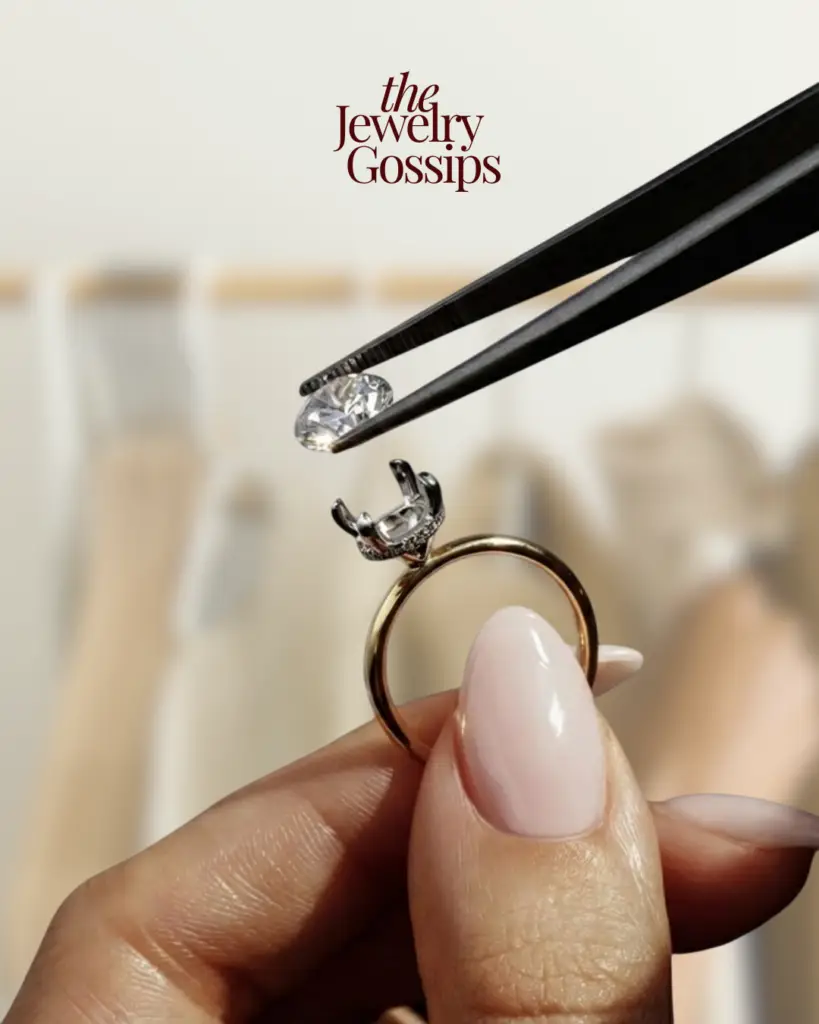
But one question continues to dominate conversations:
Do lab diamonds actually hold value?
If you’re planning to buy a diamond whether for love, fashion, or investment, understanding the long-term value of lab diamonds is essential. Let’s explore the reality behind pricing, resale value, and future market trends.
What Are Lab-Grown Diamonds?
Lab-grown diamonds, also known as man-made or synthetic diamonds, are real diamonds created inside advanced laboratories using modern technology.
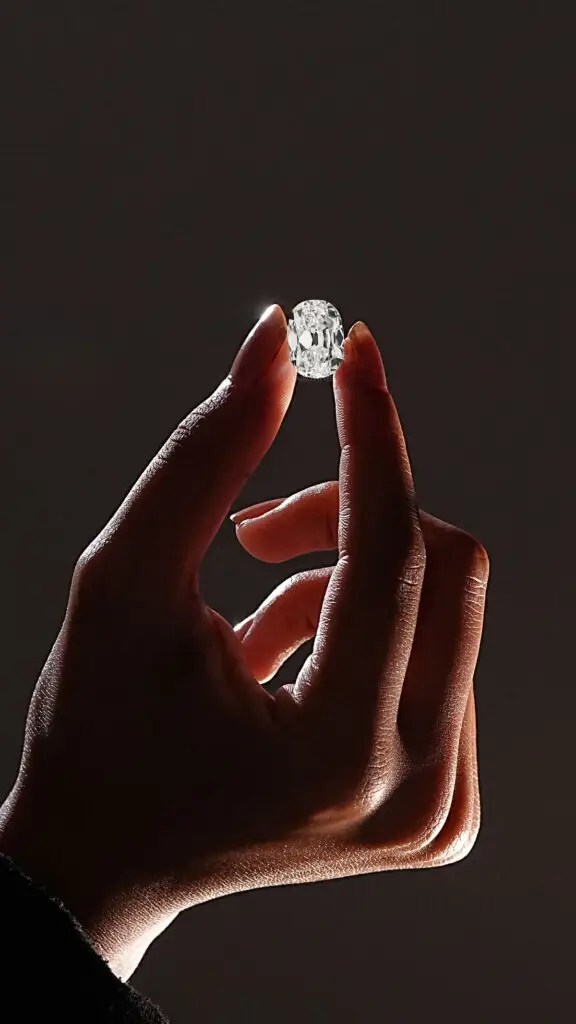
These diamonds are produced through methods like:
- HPHT (High Pressure High Temperature)
- CVD (Chemical Vapor Deposition)
Scientifically, they are identical to natural diamonds in:
- Chemical composition
- Hardness
- Sparkle
- Optical properties
Even professional gemological labs like Gemological Institute of America grade lab diamonds using the same standards as mined diamonds.
So visually yes, they are real diamonds.
But value works differently.
Do Lab Diamonds Hold Their Value Over Time?
Lab diamonds typically do not retain strong resale value compared to natural diamonds.
Here’s why
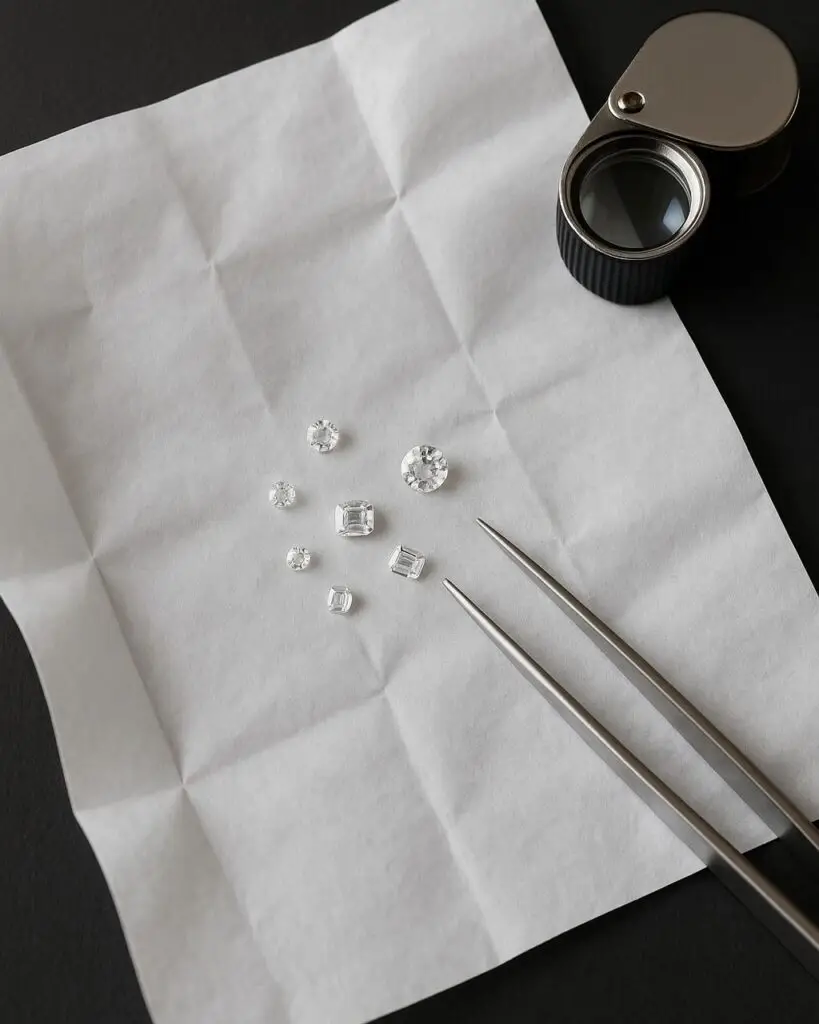
1. Supply Plays the Biggest Role in Value
Natural diamonds are formed over billions of years beneath the Earth’s surface, making them inherently rare.
Historically, companies such as De Beers controlled diamond supply through mining operations, helping stabilize global pricing.
Lab diamonds, however, can be produced repeatedly in controlled environments.
✔ More production
✔ Faster manufacturing
✔ Increasing global supply
When supply increases continuously, market prices naturally decline.
2. Lab Diamond Prices Are Falling
One of the biggest reasons lab diamonds struggle to hold value is rapid price depreciation.
Over the past few years:
- Manufacturing technology improved
- Production costs reduced
- Competition increased worldwide
As newer lab diamonds enter the market at lower prices, older purchases lose resale competitiveness.
Simply put:
Tomorrow’s lab diamond is often cheaper than today’s.
3. Resale Market Reality
This is where buyers are often surprised.
Unlike gold jewelry, diamonds in general are not strong investment assets. However, lab diamonds face an additional challenge.
Most jewelers:
- Offer limited buyback options
- Provide lower exchange value
- Prefer selling new inventory instead of buying pre-owned lab stones
The secondary market for lab-grown diamonds is still developing globally.
4. Emotional Value vs Financial Value
While resale value may be limited, lab diamonds excel in another category of accessible luxury.
Buyers today choose lab diamonds because they offer:
✅ Larger diamond size for less budget
✅ Modern and ethical sourcing appeal
✅ Affordable engagement rings
✅ Fashion-forward jewelry choices
For many consumers, the value lies in wearability and experience, not resale profit.
5. Are Lab Diamonds a Bad Purchase?
Absolutely not.
The purpose of buying a lab diamond simply differs from traditional expectations.
Think of it this way:
- Natural diamonds → Legacy & rarity
- Lab diamonds → Smart luxury & affordability
If your goal is beauty, sustainability perception, and budget efficiency, lab diamonds are an excellent choice.
If your goal is long-term asset retention, natural diamonds or gold jewelry may perform better.
6. The Future of Lab Diamond Value
The jewelry industry is evolving rapidly.
Experts predict that lab-grown diamonds will continue growing in popularity, especially among younger buyers who prioritize design, innovation, and pricing transparency.
However, due to scalable production, lab diamonds are expected to behave more like luxury consumer products rather than appreciating assets.
Final Verdict: Do Lab Diamonds Hold Value?
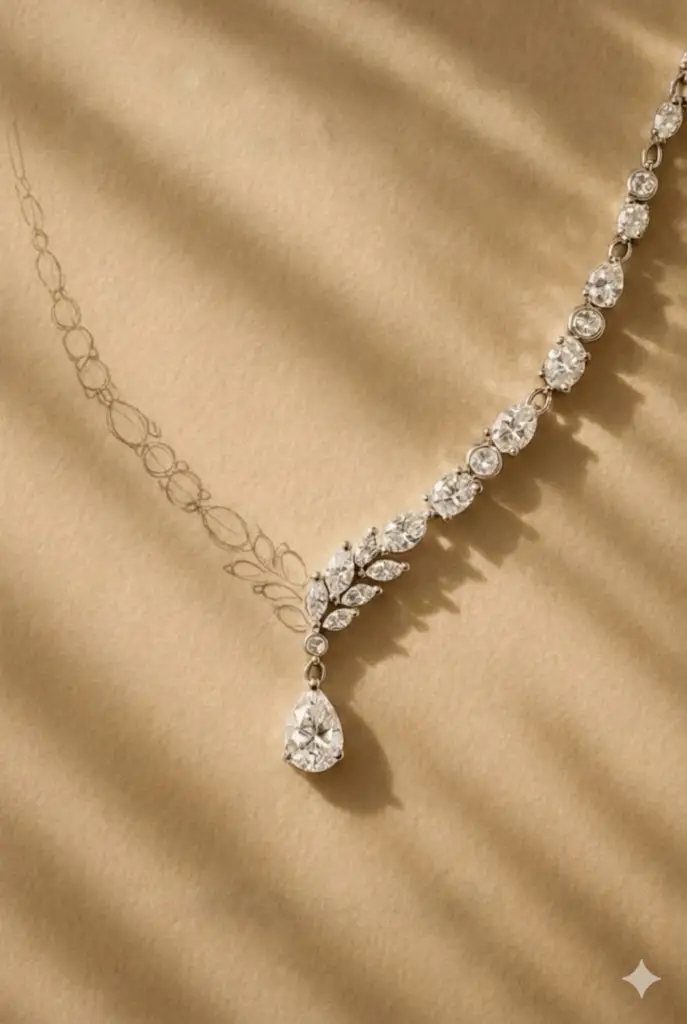
✔ Real diamond beauty — Yes
✔ Affordable luxury — Yes
✔ Emotional significance — Yes
❌ Strong resale or investment value — Generally No
The smartest approach?
👉 Buy lab diamonds to wear, enjoy, and celebrate moments, not as financial investments.
Conclusion
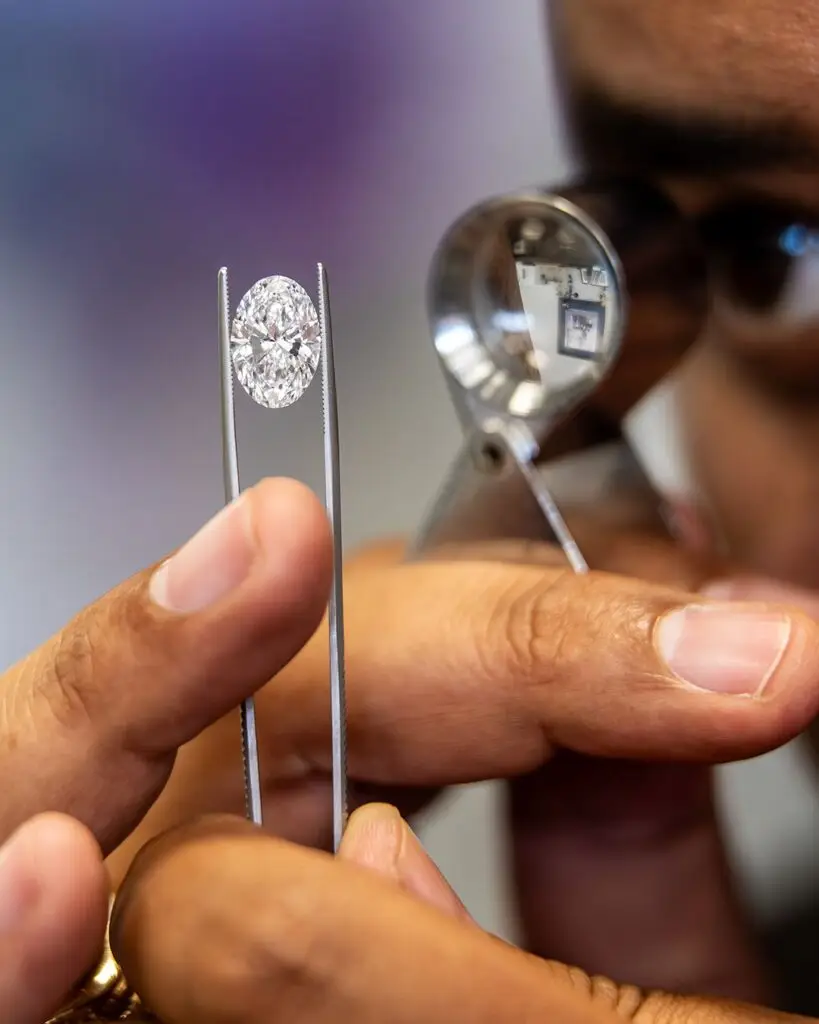
Lab-grown diamonds represent the future of accessible fine jewelry. They allow buyers to own stunning diamond pieces without traditional price barriers.
Understanding their value helps you make a confident and informed purchase decision.
At The Jewelry Gossip, we believe jewelry should match both your lifestyle and expectations because the true value of jewelry lies in the story it tells.
5 Best Lab-Grown Diamond Brands Globally
Here are some of the most recognized international lab-grown diamond specialists, trusted by buyers across global luxury markets.
1. Clean Origin (USA)
Clean Origin
Clean Origin focuses exclusively on lab-grown diamonds and has built strong credibility in the U.S. engagement ring market by offering high-quality stones with competitive pricing and lifetime warranty programs.
2. Dev Jewels inc (New York)
Dev Jewels is gaining global recognition for its eco-conscious lab-grown diamond jewelry and sustainable luxury approach. The brand focuses on sustainable sourcing, modern craftsmanship, and scalable manufacturing tailored for international retailers and conscious consumers.
3. ALTR Created Diamonds (USA)
Based in New York, ALTR Created Diamonds is known for premium lab-grown stones introduced through the R.A. Riam Group, bringing decades of traditional diamond expertise into the lab-grown segment.
4. Lark & Berry (London)
A luxury UK-based brand specializing exclusively in cultured diamonds, Lark & Berry blends sustainability with high-fashion fine jewelry and has received global recognition within modern luxury markets.
5. The Future Rocks (Global Marketplace)
The Future Rocks operates as an international platform showcasing designers working exclusively with lab-grown gemstones, promoting innovation-driven and sustainable jewelry worldwide.
🔎 Blog Research Resources (Industry-Trusted Sources)
1. Gemological Institute of America (GIA) — Q 11Lab-Grown Diamond Market Study
👉 https://www.gia.edu/gia-news-research/lab-grown-diamonds-demand-rises-prices-fall
2. International Gem Society — Lab Diamond Pricing Guide
👉 https://www.gemsociety.org/article/lab-grown-diamond-pricing/
3. JCK Online — Lab-Grown Diamond Price Trends
👉 https://www.jckonline.com/editorial-article/lab-grown-diamonds-prices/
4. Plumb Club Jewelry Industry Report — Diamond Price Pressure
👉 https://plumbclub.com/diamond-price-pressure/
5. NY Post — De Beers Lab Diamond Price Reduction Report👉https://nypost.com/2024/05/10/de-beers-slashes-price-of-lab-grown-diamonds-by-nearly-40/