Diamonds have long symbolized love, permanence, and luxury. But for modern buyers, brilliance alone is no longer enough. Today’s consumers want to know where their diamonds come from, how they were sourced, and whether the journey behind the sparkle aligns with their values
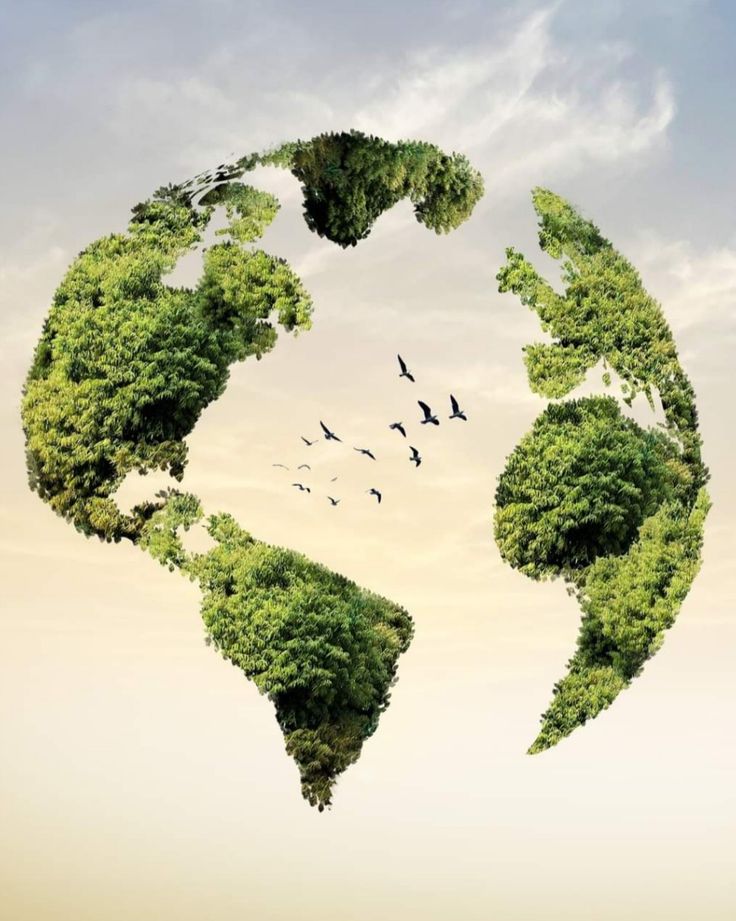
As conscious consumerism continues reshaping the luxury jewelry industry, ethical diamond mining has become one of the most important conversations in fine jewelry. Buyers are asking sharper questions about sustainability, human rights, traceability, and environmental impact before investing in engagement rings or fine diamond jewelry.
And honestly, they should.
Because behind every polished diamond is a complex global supply chain that many consumers never see.
From conflict-free certifications to sustainable development goals, ethical sourcing is no longer a niche concern reserved for activists or industry insiders. It has become a defining factor in modern luxury purchasing decisions.
So what exactly should buyers keep in mind before purchasing diamonds? And how can someone tell whether a diamond is genuinely ethical or simply marketed that way?
Let’s decode the modern diamond industry through a more transparent lens.
What Does Ethical Diamond Mining Actually Mean?
Ethical diamond mining refers to the responsible sourcing, extraction, cutting, and distribution of diamonds while minimizing environmental harm and protecting workers’ rights and local communities.
An ethically sourced diamond ideally ensures:
- Fair labor practices
- Safe working conditions
- No child labor
- Reduced environmental damage
- Transparent supply chains
- Community development initiatives
- Compliance with conflict-free regulations
However, ethical sourcing is not always black and white.
A diamond can technically be “conflict-free” while still raising environmental or labor concerns. That is why informed buyers today are looking beyond marketing labels and diving deeper into sourcing transparency.
Why Ethical Diamonds Matter More Than Ever
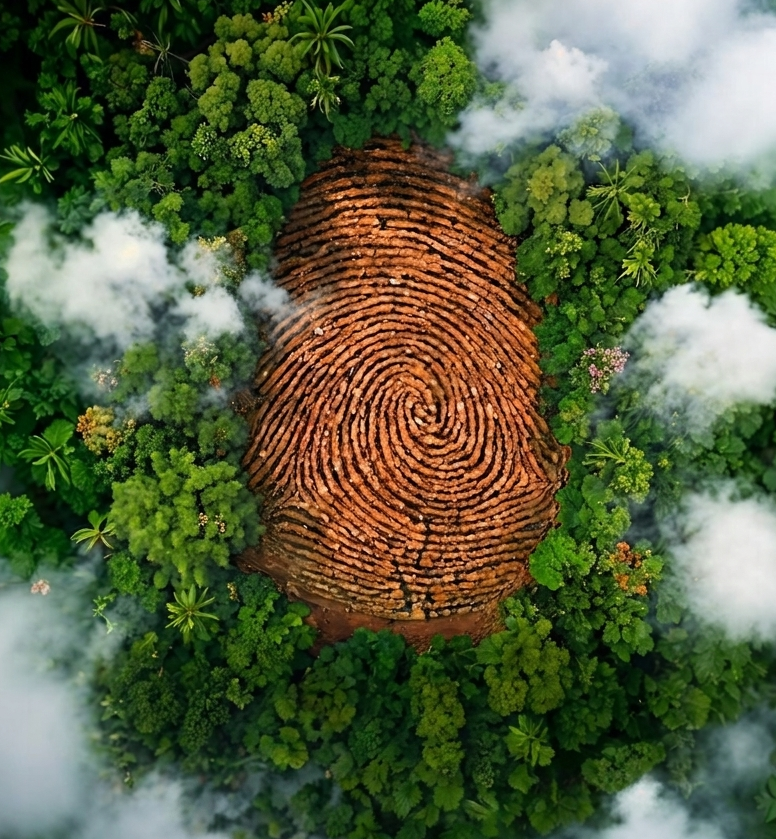
The rise of conscious consumerism has fundamentally changed the luxury market.
Modern buyers especially Millennials and Gen Z increasingly prefer brands that align with sustainability and social responsibility. In fact, ethical luxury is becoming one of the strongest drivers in jewelry purchasing behavior.
Luxury is no longer just about exclusivity.
It is about accountability.
Consumers now want:
- Traceable sourcing
- Sustainability commitments
- Transparent certifications
- Responsible mining practices
- Long-term environmental impact awareness
This shift is pushing the diamond industry to evolve faster than ever before.
Understanding Conflict-Free Diamonds
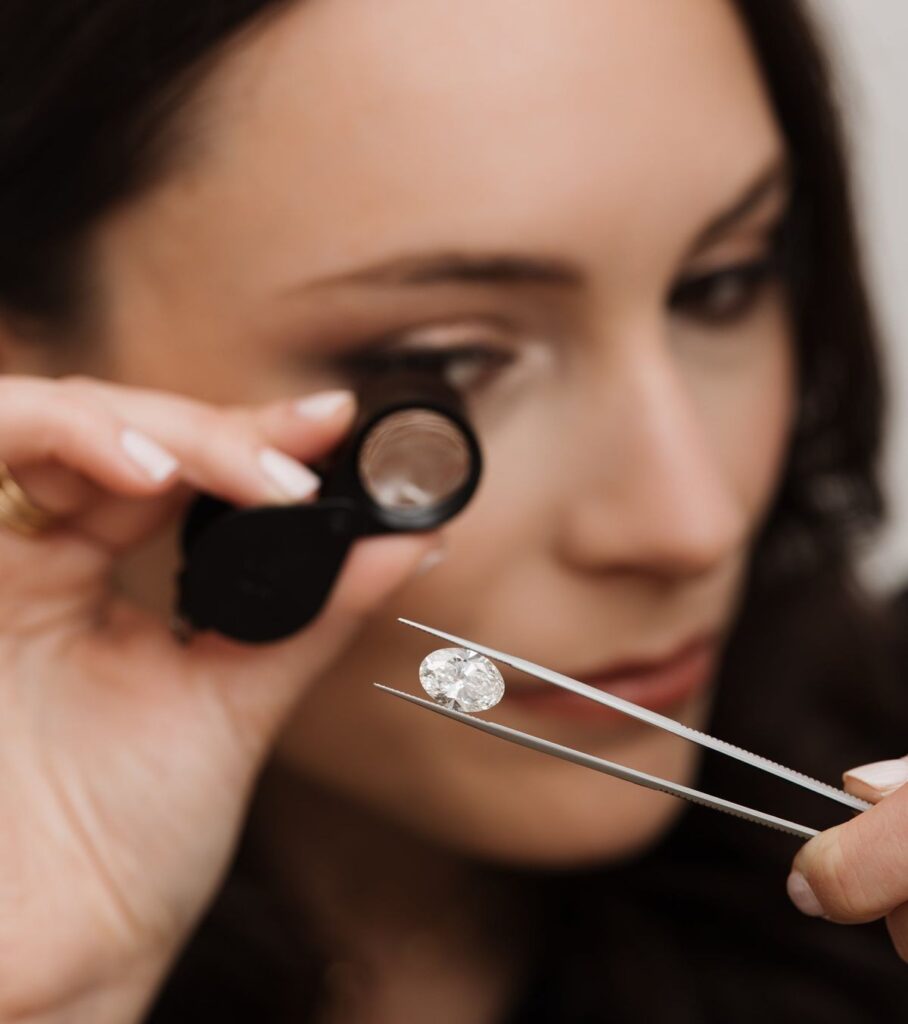
One of the most commonly misunderstood terms in the jewelry world is “conflict-free diamonds.”
Conflict diamonds, often called “blood diamonds,” are stones mined in war zones and sold to finance armed conflict against governments.
To reduce this issue, the Kimberley Process Certification Scheme (KPCS) was introduced in 2003. Its purpose was to prevent conflict diamonds from entering the global market.
Today, most major diamond suppliers comply with the Kimberley Process. However, critics argue that the system still has limitations because it primarily focuses on armed conflict and not broader ethical concerns like:
- Worker exploitation
- Environmental destruction
- Unfair wages
- Unsafe mining conditions
So while a diamond being conflict-free is important, it should not be the only ethical benchmark buyers rely on.
The Role of GIA and IGI in Ethical Diamond Buying
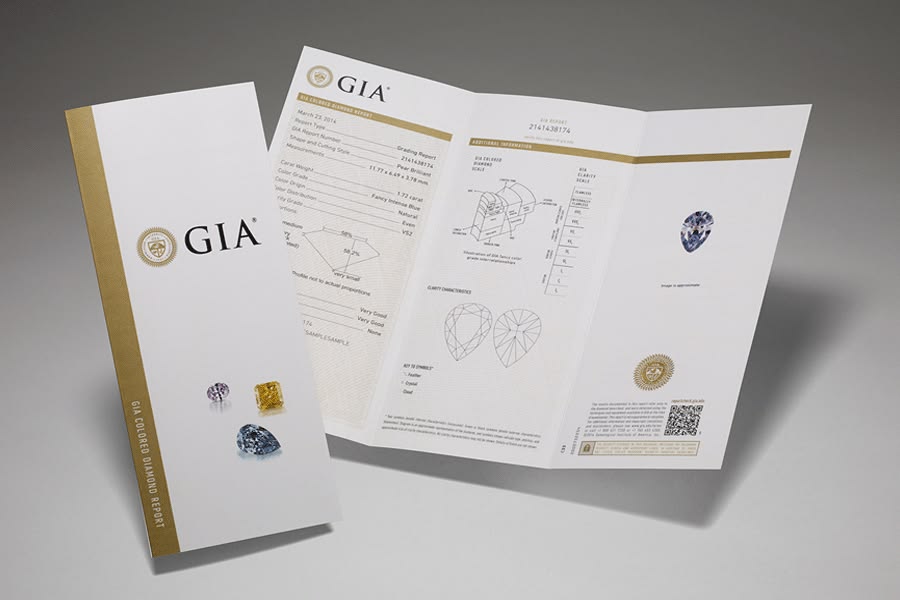
When purchasing diamonds, certification matters enormously.
Two of the most recognized gemological laboratories in the world are:
These organizations primarily certify diamond quality characteristics such as:
- Cut
- Clarity
- Color
- Carat weight
While GIA and IGI are not ethical watchdogs themselves, certification from reputable laboratories helps buyers avoid misinformation and increases trust in diamond authenticity and grading accuracy.
Some modern reports and retailers may also include:
- Diamond origin details
- Traceability data
- Sustainability claims
- Blockchain tracking information
For ethical buyers, pairing reputable certification with transparent sourcing information is essential.
Ethical Diamonds vs Lab-Grown Diamonds
One of the biggest debates in the modern jewelry industry revolves around natural diamonds versus lab-grown diamonds.
Many buyers assume lab-grown diamonds are automatically more ethical. But the reality is more nuanced.
Natural Ethical Diamonds
Ethically mined natural diamonds can support:
- Local economies
- Employment opportunities
- Community healthcare and education
- Infrastructure development in mining regions
When responsibly sourced, natural diamonds can contribute positively to sustainable development goals in certain communities.
Lab-Grown Diamonds
Lab-grown diamonds eliminate mining altogether and generally reduce land disruption. However, their environmental impact depends heavily on:
- Energy sources used during production
- Manufacturing methods
- Carbon footprint of facilities
Not all lab-grown diamonds are equally sustainable.
The smartest buyers avoid oversimplified comparisons and instead evaluate transparency from both natural and lab-grown diamond suppliers.
Questions Buyers Should Ask Before Purchasing Diamonds
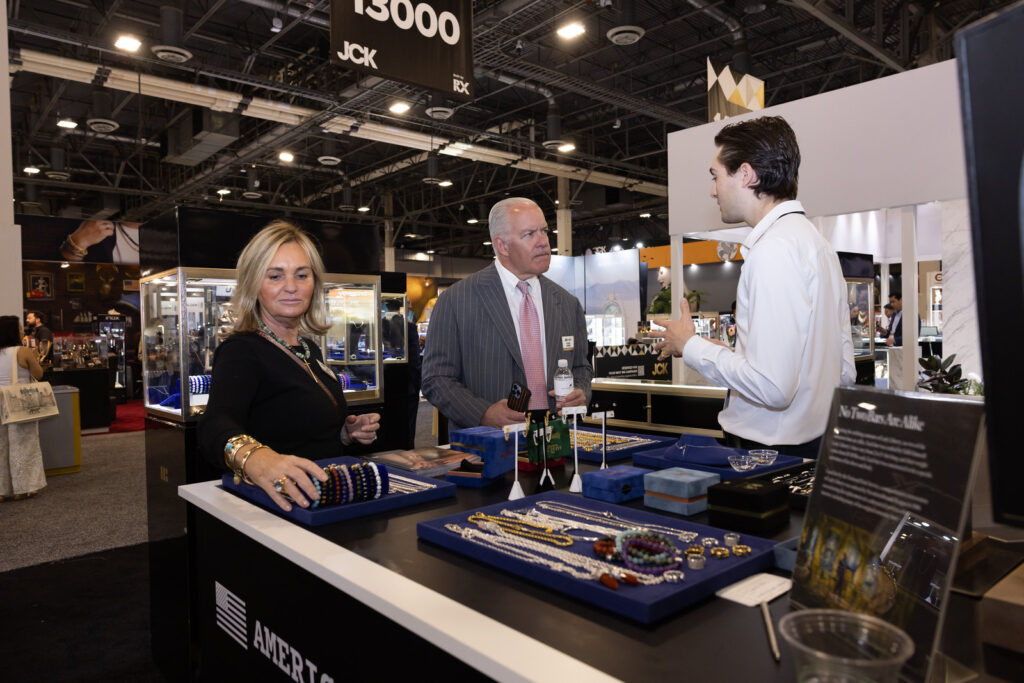
Ethical diamond buying starts with asking better questions.
Here are some important questions every buyer should ask a jeweler before making a purchase:
1. Where Was the Diamond Sourced?
A transparent jeweler should be able to explain the diamond’s origin or sourcing process.
2. Is the Diamond Traceable?
Some modern brands now offer blockchain-tracked diamonds or mine-to-market traceability systems.
3. Does the Brand Support Sustainability Initiatives?
Look for sustainability reports, carbon reduction efforts, and ethical sourcing commitments.
4. Is the Diamond Certified?
Ask whether the stone comes with GIA or IGI certification.
5. What Are the Brand’s Labor Standards?
Ethical luxury should include fair treatment of workers throughout the supply chain.
Sustainability in the Diamond Industry
The diamond industry has historically faced criticism for environmental impact. Mining operations can affect:
- Water systems
- Ecosystems
- Soil quality
- Wildlife habitats
However, many mining companies are now investing in more responsible practices, including:
- Land rehabilitation
- Renewable energy usage
- Reduced water waste
- Community development programs
- Carbon neutrality goals
Sustainability is gradually becoming central to the future of luxury jewelry.
This shift aligns closely with global sustainable development goals focused on:
- Responsible consumption
- Economic growth
- Climate action
- Reduced inequalities
For buyers, supporting brands that prioritize these initiatives helps encourage industry-wide accountability.
The Rise of Traceable Diamonds
Transparency is becoming the new luxury standard.
Modern consumers increasingly want proof of origin, not just promises.
This has led to the rise of:
- Blockchain diamond tracking
- Mine-to-market documentation
- Digital diamond passports
- Supply chain transparency reports
Traceability helps buyers feel more connected to the story behind their jewelry while reducing concerns around unethical sourcing.
In many ways, traceability is becoming as valuable as the diamond itself.
Greenwashing in the Jewelry Industry
As ethical jewelry becomes more popular, some brands unfortunately use vague sustainability language without providing real evidence.
This is commonly known as greenwashing.
Phrases like:
- “eco-friendly”
- “sustainable luxury”
- “ethical diamonds”
can sometimes be marketing tools rather than verified commitments.
Buyers should look for:
- Transparent sourcing information
- Independent certifications
- Sustainability disclosures
- Third-party audits
- Traceability systems
A trustworthy jewelry brand explains its practices clearly instead of relying on buzzwords.
However, as sustainability becomes a major selling point in luxury jewelry, buyers should also be aware of greenwashing where brands use vague terms like ‘ethical,’ ‘eco-friendly,’ or ‘sustainably sourced’ without offering real transparency or proof. The rise of conscious consumerism has pushed many jewelry companies to market themselves as ethical, but not all claims are backed by credible sourcing, certifications, or traceability systems. Industry experts increasingly emphasize the importance of transparency, third-party verification, and clear sourcing disclosures when purchasing diamonds or fine jewelry. If you want to understand how greenwashing works in the jewelry industry and learn how to avoid misleading marketing claims, read our detailed guide here: What Is Greenwashing in the Jewelry Industry and How to Avoid Getting Scammed?
Ethical Luxury Is Redefining Consumer Behavior
Luxury consumers today are more informed than ever.
Instead of purchasing solely based on size or prestige, many buyers now value:
- Craftsmanship
- Authenticity
- Transparency
- Sustainability
- Emotional meaning
This evolution is reshaping engagement ring culture as well.
Many couples now see ethical sourcing as an extension of their personal values. A ring is no longer viewed only as a symbol of love but also as a reflection of conscious decision-making.
That emotional connection matters deeply in modern luxury purchasing.
How Jewelry Brands Are Responding
Leading jewelry houses are rapidly adapting to these shifts in consumer expectations.
Many brands are now:
- Increasing sourcing transparency
- Publishing sustainability reports
- Investing in renewable energy
- Offering recycled gold options
- Introducing traceable diamond collections
Even high-end luxury jewelry brands are recognizing that younger consumers expect accountability alongside craftsmanship.
The future of luxury jewelry will likely belong to brands that successfully balance:
- beauty
- heritage
- ethics
- innovation
- sustainability
Ethical Diamond Buying Tips for First-Time Buyers
If you are purchasing diamonds for the first time, keep these essential tips in mind:
Prioritize Transparency Over Marketing
Choose brands that openly discuss sourcing practices.
Ask for Certification
GIA and IGI certifications add credibility and grading consistency.
Research the Retailer
Read about the brand’s ethical commitments and sustainability efforts.
Understand Your Priorities
Some buyers prioritize environmental impact, while others focus on labor ethics or traceability.
Avoid Impulse Purchases
Ethical diamond buying often requires deeper research than traditional luxury shopping.
The Future of Ethical Diamonds
The future of the diamond industry is moving toward greater accountability, digital traceability, and conscious luxury.
Consumers are driving this transformation.
As awareness around sustainability grows, ethical sourcing will likely become an expectation rather than a premium feature.
In the coming years, buyers may increasingly demand:
- Full origin transparency
- Carbon footprint disclosures
- Blockchain authentication
- Circular jewelry practices
- Sustainable packaging
- Responsible mining partnerships
The sparkle will always matter.
But increasingly, so will the story behind it.
Sustainable Jewelry Brands Redefining Conscious Luxury
As buyers become more aware of ethical sourcing and sustainability, several independent jewelry brands are quietly reshaping the future of luxury jewelry through transparency, traceability, recycled metals, and responsible craftsmanship. While sustainability in jewelry is still an evolving conversation, these brands are often recognized for taking meaningful steps toward more ethical practices.
1. Dev Jewels
Dev Jewels is emerging as a modern leader in lab-grown diamond jewelry, combining luxury aesthetics with a growing focus on sustainability and conscious consumerism. Its collaboration with One Tree Planted further reflects the brand’s commitment to environmental responsibility, aligning fine jewelry with more sustainable and transparent practices.
2. Bario Neal
Bario Neal is widely recognized for its commitment to reclaimed precious metals, Fairmined gold, and traceable gemstones. The brand is known for openly discussing sourcing practices and creating fine jewelry that prioritizes transparency alongside craftsmanship.
3. Catbird
Brooklyn-based Catbird has built a strong reputation for using recycled gold and responsibly sourced materials in its delicate everyday fine jewelry collections. Its in-house production model and focus on long-lasting jewelry align closely with sustainable luxury principles.
4. Atteya
Atteya focuses heavily on recycled precious metals, traceable gemstones, and charitable environmental partnerships. The brand also supports causes connected to marine conservation and women-focused initiatives, making sustainability part of its larger brand philosophy.
5. Zoë Chicco
Los Angeles-based Zoë Chicco is known for handmade jewelry crafted using recycled gold and conflict-free diamonds. The brand emphasizes local production, ethical sourcing, and responsible manufacturing practices while maintaining a minimal luxury aesthetic.
Final Thoughts
Diamonds have always carried emotional significance. But in today’s world, emotional value is becoming inseparable from ethical value.
Ethical diamond mining is not about perfection. The global supply chain is still evolving, and no system is entirely flawless. However, conscious buyers now have more tools, information, and transparency than ever before.
By asking better questions, researching certifications, and supporting responsible brands, buyers can make more informed decisions that align with both luxury and integrity.
Because modern luxury is no longer only about what you wear.
It is about what your purchase represents.
FAQs
Are ethical diamonds real diamonds?
Yes. Ethical diamonds can be natural or lab-grown diamonds sourced with responsible environmental and labor practices.
What is the difference between ethical diamonds and conflict-free diamonds?
Conflict-free diamonds only address funding armed conflict, while ethical diamonds consider broader issues like labor conditions, sustainability, and environmental impact.
Are lab-grown diamonds more ethical than mined diamonds?
Not always. Their sustainability depends on production energy sources and manufacturing practices.
How can buyers verify ethical diamond sourcing?
Buyers should request certification, sourcing transparency, traceability reports, and information about mining practices.
Why are GIA and IGI certifications important?
GIA and IGI certifications verify diamond grading accuracy and authenticity, helping buyers make informed purchasing decisions.
What are sustainable development goals in the jewelry industry?
They include responsible sourcing, environmental protection, fair labor practices, and community development initiatives.
Is ethical diamond mining possible?
Yes, though challenges remain. Many mining companies and jewelry brands are improving transparency and sustainability practices.