The Diamond You Buy Today Might First Appear in a 15-Second Reel
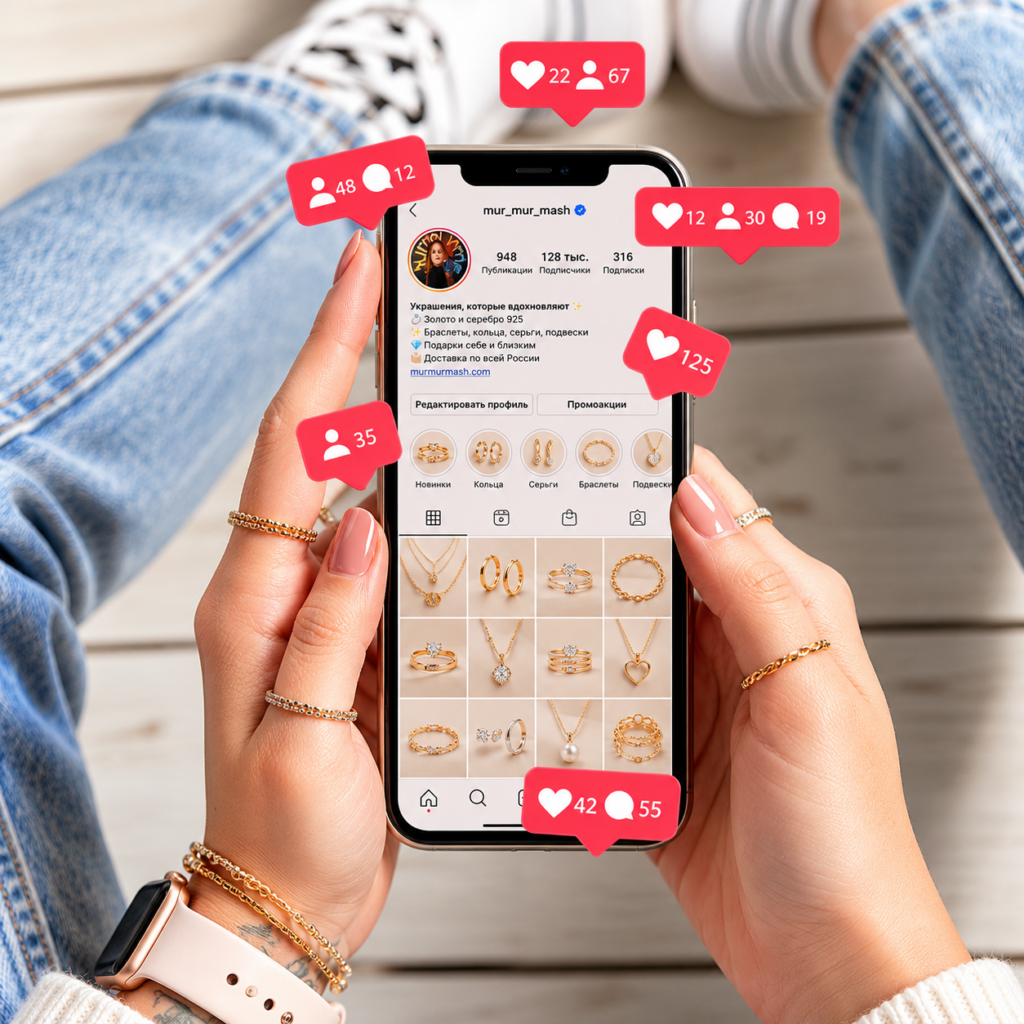
The jewelry buying journey has changed dramatically over the last decade. Today, consumers don’t simply walk into an online jewelry store or visit a showroom to browse fine jewelry collections. Instead, they discover diamond jewelry, engagement rings, wedding jewelry, and custom jewelry through Instagram Reels, TikTok videos, influencer recommendations, and social media content.
Whether someone wants to buy jewelry online, compare the best jewelry brands, or explore affordable luxury jewelry, social media often becomes the first step in their customer journey. Platforms like Instagram and TikTok have evolved from entertainment channels into powerful tools for social media marketing, digital marketing, and ecommerce marketing, influencing how consumers discover products and make purchasing decisions.
For luxury jewelry brands, understanding how social media affects jewelry shopping online is no longer optional. It has become a critical part of every successful jewelry ecommerce and online marketing strategy. From driving jewelry website traffic to increasing online jewelry sales, social media now influences nearly every stage of the modern jewelry buying experience.
Evolution of Jewelry Marketing
For decades, jewelry marketing relied on traditional channels such as:
- Print magazines
- Television advertising
- Celebrity endorsements
- Trade exhibitions
- Physical retail stores
Luxury jewelry brands invested heavily in creating exclusivity and aspiration through carefully curated campaigns.
While these methods still play a role, digital platforms have dramatically shifted consumer attention.
Today’s jewelry shoppers often begin their journey online before ever visiting a store. They search for inspiration, compare styles, read reviews, and engage with brands directly through social media.
This evolution has transformed jewelry marketing online from a one-way communication channel into an interactive conversation.
Modern consumers expect:
- Authenticity
- Transparency
- Educational content
- Real customer experiences
- Instant accessibility
As a result, brands have adapted their jewelry digital marketing strategy to meet customers where they spend the most time social media.
How Consumer Behavior Has Changed in Jewelry Shopping
Modern consumer behavior looks very different from what it did a decade ago. Before purchasing diamond jewelry, engagement rings, wedding jewelry, or custom jewelry, customers often spend weeks researching online.
Today’s jewelry shoppers typically:
- Search for the best jewelry brands on Google
- Browse Instagram jewelry trends
- Watch jewelry reviews on TikTok
- Compare products across multiple online jewelry stores
- Save inspiration boards on Pinterest
- Read customer testimonials before making a purchase
This shift has transformed the traditional customer journey. Consumers move between social media platforms, brand websites, online shopping experiences, and influencer content before deciding to buy jewelry online.
As a result, jewelry brands are investing more heavily in content marketing, influencer marketing, and social media marketing to reach customers earlier in the buying process.
Why Social Media Marketing Is Essential for Jewelry Brands
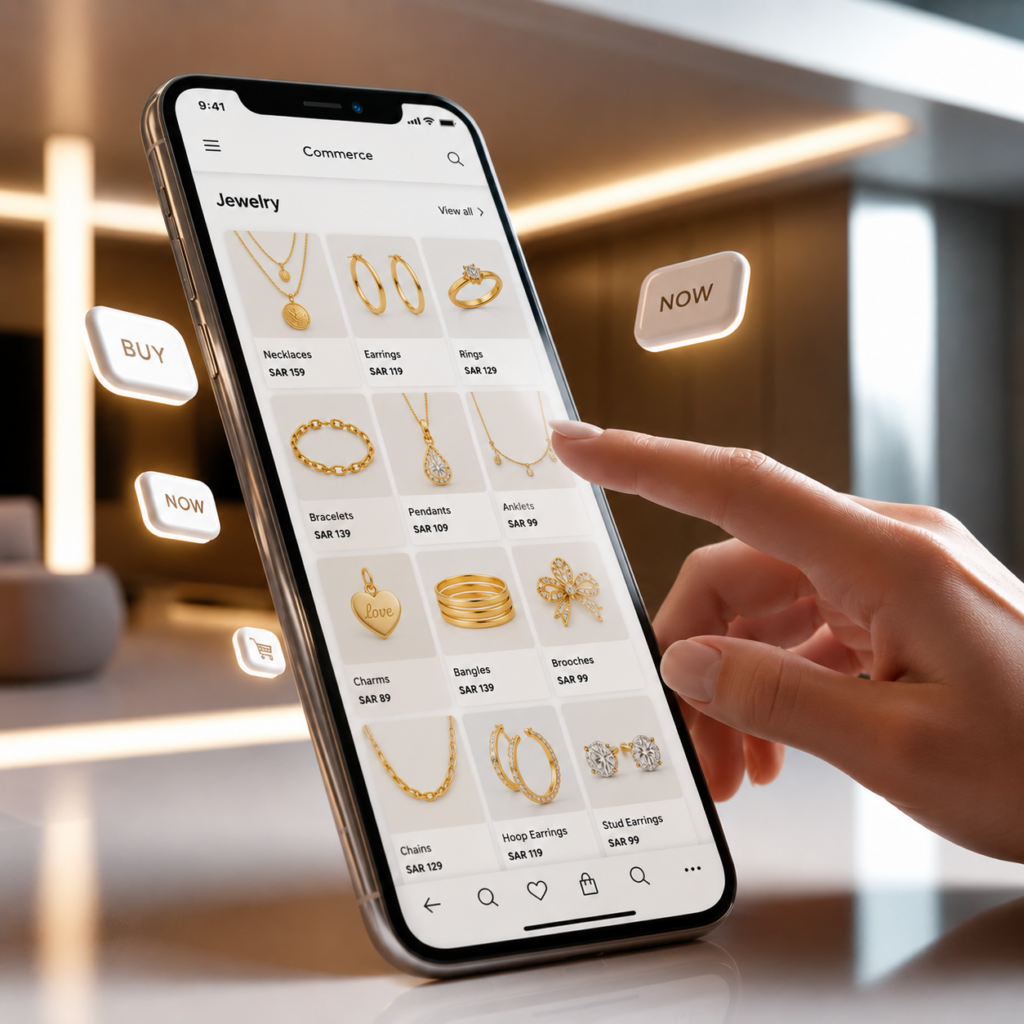
Social media has become one of the most powerful digital marketing tools available to jewelry businesses. Whether promoting affordable luxury jewelry, showcasing fine jewelry collections, or launching new engagement rings, social platforms help brands reach highly targeted audiences.
For luxury jewelry brands, social media serves as:
- A brand awareness channel
- A customer engagement platform
- A visual storytelling tool
- A source of jewelry website traffic
- A driver of online jewelry sales
Unlike traditional advertising, social media marketing allows brands to build direct relationships with consumers while showcasing products in authentic and aspirational ways.
Jewelry is inherently visual.
Unlike many products, jewelry relies heavily on aesthetics, craftsmanship, emotion, and storytelling.
Social media platforms provide the perfect environment for showcasing these qualities.
Benefits of social media marketing for jewelry brands include:
Increased Brand Visibility
A single viral post can introduce a jewelry brand to millions of potential customers.
Direct Customer Engagement
Brands can communicate directly with audiences through comments, messages, polls, and live sessions.
Building Trust
Behind-the-scenes content, customer testimonials, and educational videos help establish credibility.
Cost-Effective Marketing
Compared to traditional advertising, social media often delivers higher engagement with lower investment.
Global Reach
Small independent jewelers can now reach customers across continents through strategic online marketing.
Role of Platforms Like Instagram and TikTok
Instagram: The Digital Jewelry Showcase
Instagram remains one of the most influential platforms for jewelry discovery.
The platform’s visual-first format makes it ideal for displaying:
- Engagement rings
- Wedding jewelry
- Luxury watches
- Colored gemstone collections
- Fine jewelry styling
Some of today’s biggest Instagram jewelry trends include:
- Oval diamond engagement rings
- Tennis necklaces
- Mixed metal jewelry
- Layered chains
- Vintage-inspired designs
- Colored gemstone rings
- Personalized jewelry
Instagram Stories, Reels, and Shopping features allow consumers to move seamlessly from inspiration to purchase.
Many jewelry buyers now save designs directly from Instagram before making a purchasing decision.
TikTok: The Trend Accelerator
TikTok has dramatically changed how trends spread.
Unlike traditional marketing campaigns that may take months to gain traction, TikTok trends can go viral overnight.
Popular jewelry content on TikTok includes:
- Ring transformations
- Jewelry cleaning videos
- Jewelry styling tips
- Engagement reveals
- Diamond education
- Jewelry manufacturing processes
Consumers particularly enjoy authentic, unfiltered content that feels relatable and educational.
This shift has encouraged brands to prioritize storytelling over polished advertisements.
Jewelry Discovery Through Reels and Short Videos
Short-form video has become one of the most powerful tools in social media jewelry marketing.
Consumers are increasingly discovering jewelry through:
- Instagram Reels
- TikTok videos
- YouTube Shorts
- Pinterest Idea Pins
Why does video work so well?
Because jewelry comes alive through movement.
A diamond’s brilliance, a gemstone’s color play, and a necklace’s fluidity are difficult to capture in static images alone.
Video allows customers to experience:
Sparkle and Light Performance
Movement reveals how diamonds and gemstones reflect light.
Scale and Proportion
Customers gain a better understanding of size and fit.
Styling Inspiration
Videos demonstrate how jewelry looks with different outfits and occasions.
Emotional Connection
Storytelling creates stronger engagement than product photography alone.
Many consumers now discover jewelry through reels before actively searching for it.
This represents a major shift in the buying journey from intentional shopping to inspiration-driven purchasing.
Influencer Collaborations in the Jewelry Industry
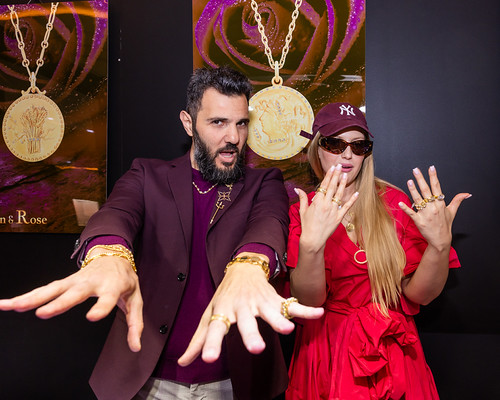
The Rise of Jewelry Influencer Marketing
Influencer marketing has become one of the most effective strategies in modern jewelry marketing online.
Consumers often trust creators more than traditional advertisements because influencers provide:
- Personal recommendations
- Real-life styling
- Authentic reviews
- Social proof
Jewelry influencer marketing spans multiple categories:
Celebrity Influencers
Red carpet appearances can create immediate demand for specific jewelry styles.
Fashion Influencers
Style creators introduce jewelry to highly engaged fashion-conscious audiences.
Bridal Influencers
Wedding-focused creators drive engagement ring and bridal jewelry trends.
Luxury Content Creators
High-end influencers educate audiences about fine jewelry and investment pieces.
Micro Influencers
Smaller creators often achieve higher engagement rates due to stronger audience trust.
Best Social Media Marketing Strategies for Jewelry Ecommerce Brands
Successful jewelry ecommerce businesses use a combination of digital marketing techniques to increase visibility and drive conversions.
Content Marketing
Educational blogs, styling guides, diamond buying tips, and jewelry care articles help brands attract organic traffic while building authority.
Influencer Marketing
Partnering with influencers allows jewelry brands to reach highly engaged audiences interested in fashion, luxury products, and online shopping.
Video Marketing
Instagram Reels, TikTok videos, and YouTube Shorts help showcase sparkle, craftsmanship, and styling inspiration in a way static images cannot.
User-Generated Content
Customer reviews, proposal stories, and wedding jewelry photos create trust and social proof.
Social Commerce
Integrated shopping features help consumers move seamlessly from discovery to purchase, improving online jewelry sales and conversion rates.
Why Influencer Marketing Works
Influencers help bridge the gap between aspiration and accessibility.
Instead of seeing jewelry only in advertisements, consumers see it integrated into everyday life.
This creates:
- Greater trust
- Increased relatability
- Higher purchase intent
- Stronger emotional connection
Successful influencer campaigns focus on authenticity rather than overt selling.
How Retailers Convert Social Media Followers into Buyers
Growing followers is only the first step.
The real challenge is converting engagement into revenue.
Successful jewelry retailers use several proven strategies.
The most successful jewelry brands understand that generating jewelry website traffic is only the beginning. The real goal is converting visitors into customers through engaging content, personalized experiences, and seamless online shopping journeys.
Whether consumers are searching for engagement rings, diamond jewelry, custom jewelry, or affordable luxury jewelry, brands that simplify the path to purchase are more likely to increase online jewelry sales and customer loyalty.
Educational Content
Consumers often need confidence before making high-value purchases.
Educational content helps answer questions about:
- Diamond quality
- Gemstone selection
- Jewelry care
- Metal types
- Ring sizing
Education reduces uncertainty and builds trust.
User-Generated Content
Customer photos and reviews provide powerful social proof.
Potential buyers are more likely to trust real customers than brand-created content.
Popular examples include:
- Proposal photos
- Wedding day jewelry
- Anniversary gifts
- Jewelry unboxing videos
Social Shopping Features
Platforms increasingly support direct purchasing.
Features include:
- Instagram Shops
- Product tagging
- TikTok Shopping
- Live shopping events
These tools reduce friction between discovery and purchase.
Personalized Communication
Direct messages have become an important sales channel.
Brands can:
- Answer questions instantly
- Recommend products
- Provide sizing guidance
- Schedule consultations
This creates a more personalized customer experience.
Importance of Visual Storytelling in Jewelry
Jewelry has always been emotional.
People buy jewelry to celebrate:
- Love
- Milestones
- Achievements
- Family traditions
- Personal identity
Visual storytelling allows brands to connect products with meaningful experiences.
Instead of simply showing a ring, brands tell stories about:
- Engagements
- Weddings
- Heritage craftsmanship
- Generational heirlooms
- Personal expression
Effective storytelling transforms jewelry from a product into a symbol.
Elements of Strong Jewelry Storytelling
Craftsmanship
Showcasing artisans and manufacturing processes builds appreciation for quality.
Heritage
Sharing brand history creates authenticity.
Customer Stories
Real experiences generate emotional resonance.
Lifestyle Integration
Demonstrating how jewelry fits into daily life makes products more relatable.
The strongest jewelry brands combine aesthetics with emotion.
Future of Social Commerce in Jewelry
The next phase of social media marketing is social commerce.
Consumers increasingly expect to complete purchases without leaving social platforms.
Emerging trends include:
Live Shopping Events
Brands host interactive product demonstrations in real time.
AI-Powered Recommendations
Algorithms suggest products based on browsing behavior and preferences.
Virtual Try-On Technology
Augmented reality helps customers visualize jewelry before purchasing.
Personalized Shopping Experiences
Advanced data insights enable customized recommendations.
Creator-Led Commerce
Influencers increasingly act as direct sales channels for brands.
These innovations will continue to shorten the path from inspiration to purchase.
How Social Media Affects Jewelry Sales
The influence of social media on jewelry sales is undeniable.
Consumers now:
- Discover products earlier
- Research more thoroughly
- Compare brands instantly
- Trust peer recommendations
- Expect seamless online experiences
As a result, brands with strong social media presence often gain significant competitive advantages.
The jewelry buying journey is no longer linear.
It moves fluidly between inspiration, education, engagement, and purchase often entirely within social platforms.
For jewelry brands, adapting to this reality is no longer optional.
It is essential for long-term growth.
Conclusion
The rise of social media has fundamentally transformed how consumers discover, evaluate, and purchase jewelry. From finding inspiration for engagement rings and wedding jewelry to comparing luxury jewelry brands and exploring fine jewelry collections, customers now rely heavily on social platforms throughout their buying journey.
For businesses looking to grow their jewelry ecommerce presence, a strong combination of social media marketing, influencer marketing, content marketing, and online marketing is essential. These strategies not only increase jewelry website traffic but also help convert followers into loyal customers.
As social commerce continues to evolve, the brands that embrace digital innovation, understand consumer behavior, and create meaningful online experiences will be best positioned to drive future online jewelry sales and remain competitive in an increasingly digital marketplace.
Frequently Asked Questions (FAQs)
1. How does social media affect jewelry sales?
Social media influences product discovery, builds trust, increases brand visibility, and helps consumers make informed purchasing decisions, ultimately boosting jewelry sales.
2. Why is Instagram important for jewelry marketing?
Instagram’s visual format allows brands to showcase jewelry effectively through photos, reels, stories, and shopping features.
3. What are the latest Instagram jewelry trends?
Popular trends include oval engagement rings, tennis necklaces, layered chains, colored gemstones, personalized jewelry, and vintage-inspired designs.
4. What is jewelry influencer marketing?
Jewelry influencer marketing involves partnering with creators who promote jewelry products to engaged audiences through authentic content and recommendations.
5. How can jewelers convert followers into customers?
Through educational content, social proof, personalized communication, social shopping tools, and strong storytelling.
6. What role do reels play in jewelry marketing?
Reels help showcase sparkle, movement, styling ideas, and craftsmanship while reaching wider audiences through platform algorithms.
7. What is the future of social commerce in jewelry?
Future trends include live shopping, virtual try-ons, AI-powered recommendations, and direct purchasing within social media platforms.