How One Match Changed Jewelry History Forever. Imagine this: It’s 1987, the U.S. Open is in full swing, and tennis champion Chris Evert suddenly stops mid-match. The crowd falls silent. What could possibly halt one of the most important games of the year? A sparkling diamond bracelet that slipped off her wrist and onto the court. Little did anyone know, this single moment would transform jewelry history and give birth to one of the most coveted accessories of our time: The Tennis Bracelet.
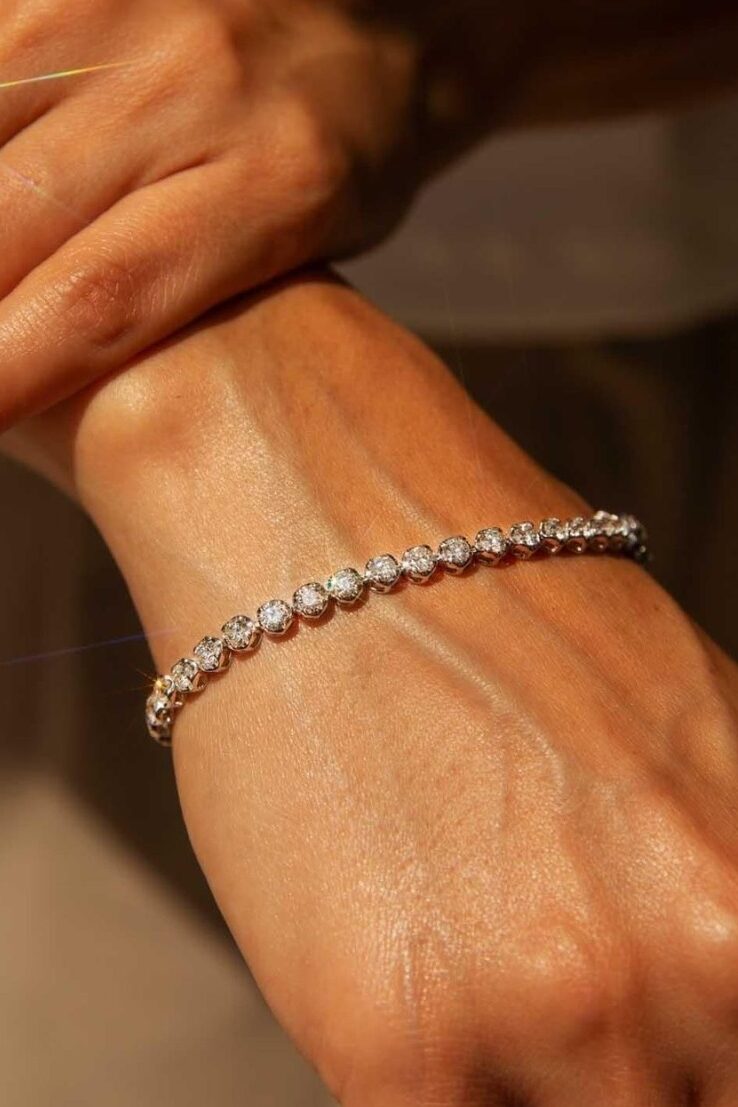
The Birth of an Icon: From Eternity to Tennis Bracelet
Before the tennis bracelet earned its sporty name, it lived a quieter life as the “eternity bracelet.” Born in the dazzling 1920s during the height of the Art Deco era, these exquisite pieces were crafted as continuous circles of precious stones, symbolizing eternal love and unbreakable bonds.
Key Takeaways:
- The Original Identity: Tennis bracelets were originally called “eternity bracelets” or “diamond line bracelets,” designed in the 1920s as symbols of everlasting love
- Art Deco Excellence: Luxury houses like Cartier and Tiffany & Co. popularized these bracelets during the Art Deco movement, featuring symmetrical arrangements of diamonds set in flexible precious metal chains
- Timeless Design: The signature style a seamless loop of meticulously set gemstones creating an unbroken sparkle around the wrist has remained virtually unchanged for over a century
Jewelers would spend countless hours meticulously setting diamonds or other precious gemstones in a single, unbroken line. The result? A seamless loop of sparkle that wrapped elegantly around the wrist, catching light from every angle. The simplicity of the design was its genius: no elaborate patterns, no distracting elements, just pure, unadulterated brilliance.
The Pivotal Moment: Chris Evert and the 1987 U.S. Open
Fast forward to September 1987. The U.S. Open was electrifying, and tennis legend
Chris Evert was battling it out on the court when disaster struck or rather, when destiny intervened. Mid-rally, her beloved diamond bracelet clasp gave way, and the precious piece flew off her wrist onto the court.

Key Takeaways:
- The Game-Stopping Incident: Chris Evert halted her U.S. Open match in 1987 when her diamond bracelet broke and fell onto the court, creating an unforgettable moment in sports history.
- Instant Fame: The incident was broadcast to millions, and jewelers and fashion magazines immediately seized the moment, coining the term “tennis bracelet”
- Cultural Phenomenon: What could have been a simple wardrobe malfunction became a marketing phenomenon that elevated a classic jewelry piece into a household name
The Evolution: From Court to Red Carpet
The tennis bracelet’s journey from the 1920s to the 1980s was impressive, but its transformation from the late 1980s onward has been nothing short of extraordinary. This piece of jewelry transcended its athletic origins to become a symbol of both sporting elegance and red-carpet sophistication.
Key Takeaways:
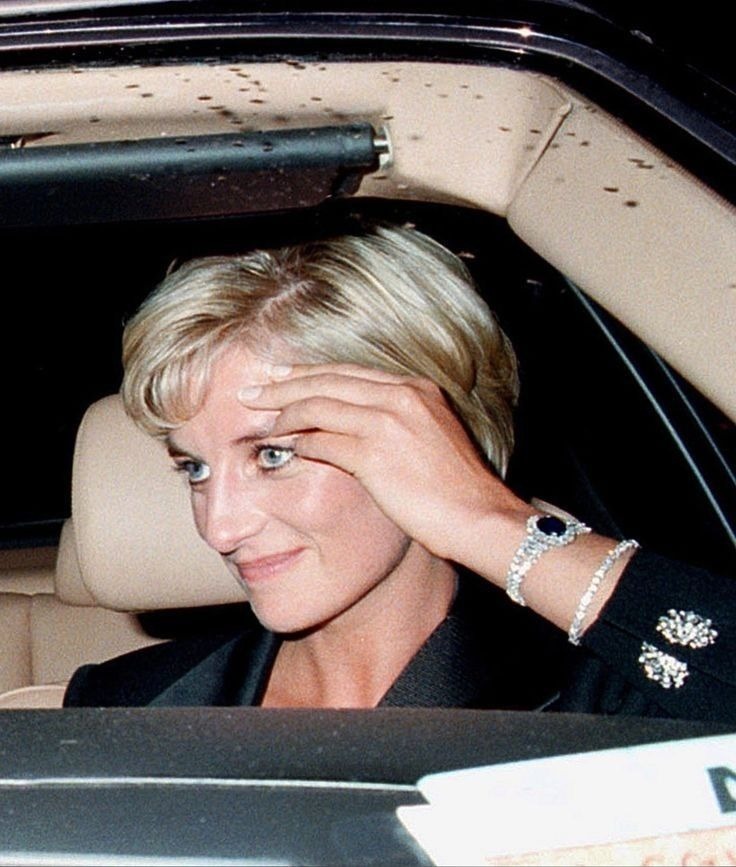
- Royal Endorsement: Princess Diana frequently wore tennis bracelets at high-profile public appearances, lending royal prestige to the accessory and cementing its status as a luxury staple
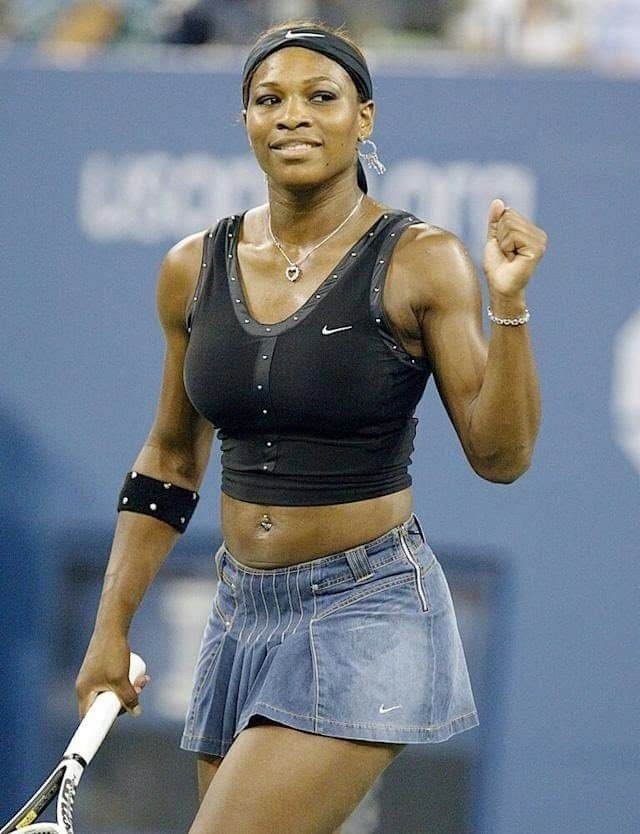
- Modern Icons: Contemporary style icons like Serena Williams, Meghan Markle, and countless celebrities have made the tennis bracelet a signature piece, wearing it both on and off the court
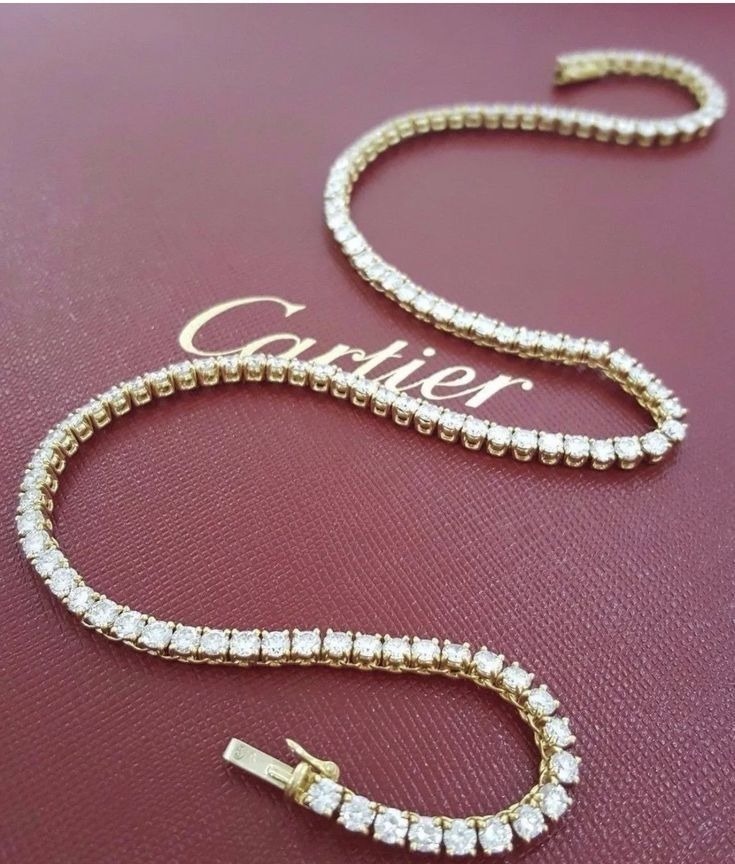
- Designer Innovation: Luxury houses including Cartier, Bvlgari, Tiffany & Co., and others have reimagined the classic design with modern twists, offering variations in gemstones, metals, and settings while maintaining the iconic continuous sparkle
Princess Diana, the People’s Princess herself, was frequently photographed wearing elegant tennis bracelets at some of her most memorable public appearances. Her endorsement added a layer of royal prestige to the already-glamorous accessory. When royalty wears something, the world takes notice.
Modern tennis champions like Serena Williams have embraced the tennis bracelet both on the court and at glamorous events, creating a beautiful full-circle moment. Tennis bracelets have also graced the wrists of Meghan Markle, Hollywood actresses, and fashion influencers, proving their versatility and timeless appeal.
Luxury jewelry houses haven’t stood still either. Cartier, Bvlgari, Van Cleef & Arpels, and other prestigious brands have reimagined the classic tennis bracelet with contemporary flair. Some feature colored gemstones like sapphires, emeralds, or rubies. Others experiment with mixed metals or alternative settings. Yet, the core design principle remains: a continuous line of sparkle that moves gracefully with the wearer.
The Design: What Makes a Tennis Bracelet Special
Modern tennis bracelets maintain the essential characteristics that made them beloved for over a century. Here’s what defines these stunning pieces:
Symmetrical Arrangement
Each stone is carefully matched for size, cut, and quality, creating a harmonious flow around the wrist. This symmetry is crucial it’s what gives the tennis bracelet its signature seamless appearance
Pavé Setting Excellence
Most tennis bracelets feature pavé or prong settings that maximize light exposure to each diamond or gemstone. This technique ensures maximum brilliance and fire, making the bracelet sparkle from every angle.
Flexible Precious Metal Chain
Unlike rigid bangles, tennis bracelets are constructed with flexibility in mind. The metal links allow the bracelet to drape naturally and move comfortably with your wrist, making it perfect for active wear on the tennis court or elsewhere.
Secure Clasp Design
After Chris Evert’s famous incident, jewelers paid even more attention to clasp security. Modern tennis bracelets often feature safety latches or double-locking mechanisms to prevent loss.
Why the Tennis Bracelet Endures
Nearly four decades after Chris Evert’s fateful match, the tennis bracelet remains one of the most sought-after jewelry pieces in the world. But why?
Versatility: A tennis bracelet works with everything. Wear it to a black-tie gala, pair it with jeans and a t-shirt, or stack it with other bracelets for a modern look. It transitions seamlessly from day to night, casual to formal.
Timeless Elegance: Unlike trendy pieces that fade from fashion, the tennis bracelet’s classic design ensures it will never go out of style. It’s an investment piece that can be passed down through generations.
Symbolic Meaning: Whether representing eternal love (its original intention) or personal achievement and success, the tennis bracelet carries emotional weight beyond its monetary value.
Celebrity Endorsement: From Princess Diana to today’s style icons, the tennis bracelet has maintained its status through consistent celebrity wear and endorsement.
Tennis Bracelet: A Legacy of Sparkle
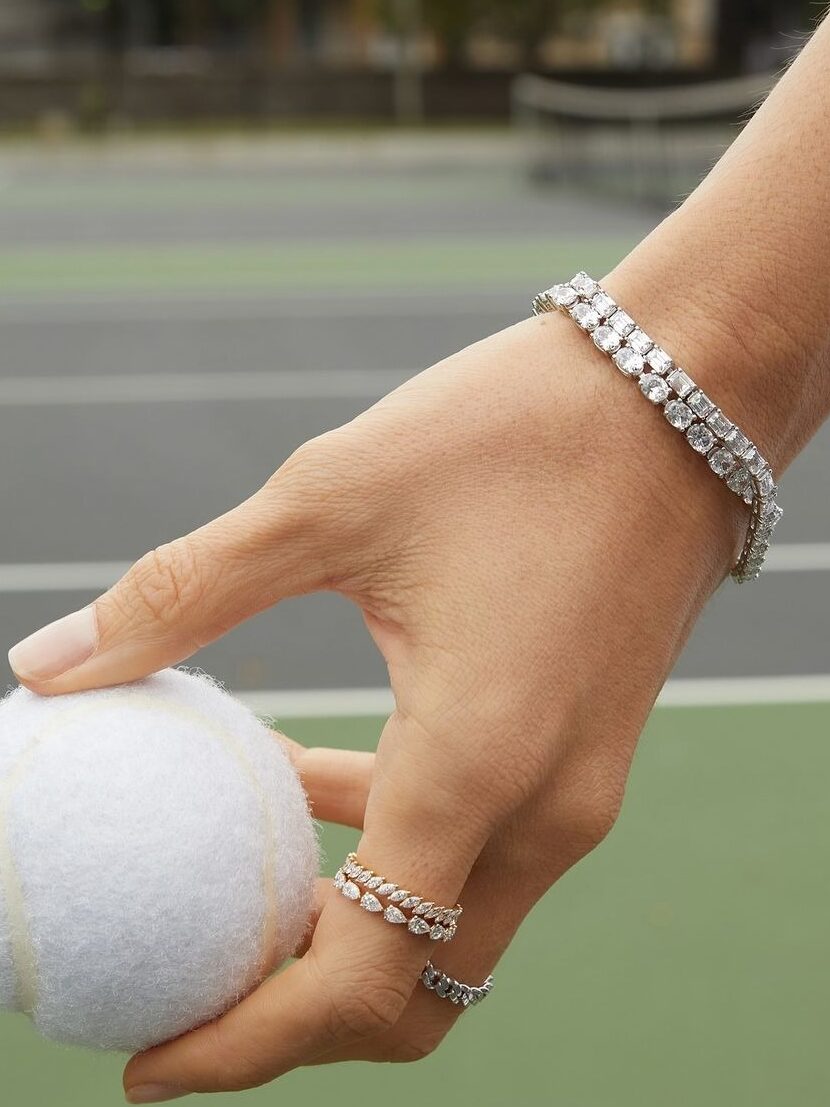
The story of the tennis bracelet is more than just a tale of jewelry it’s a narrative about how a single moment can create a lasting cultural impact. From its origins as an Art Deco eternity bracelet in the 1920s, through its christening on the tennis courts of the 1987 U.S. Open, to its current status as a must-have luxury accessory, the tennis bracelet has proven its staying power.Whether you’re channeling the sophisticated grace of Princess Diana, the athletic prowess of Serena Williams, or simply celebrating your own personal milestones, the tennis bracelet remains what it has always been: a continuous circle of brilliance that symbolizes life’s precious moments.
So the next time someone asks, “Why is it called a tennis bracelet?” you’ll have quite the story to tell, one involving Art Deco jewelers, a tennis champion, and a moment that stopped a match but started a legend.Tap the link to see the Tennis Bracelet Post in Motion.Follow Thejewelrygossips for more informational, knowledgeable, and scandalous content.