Introduction
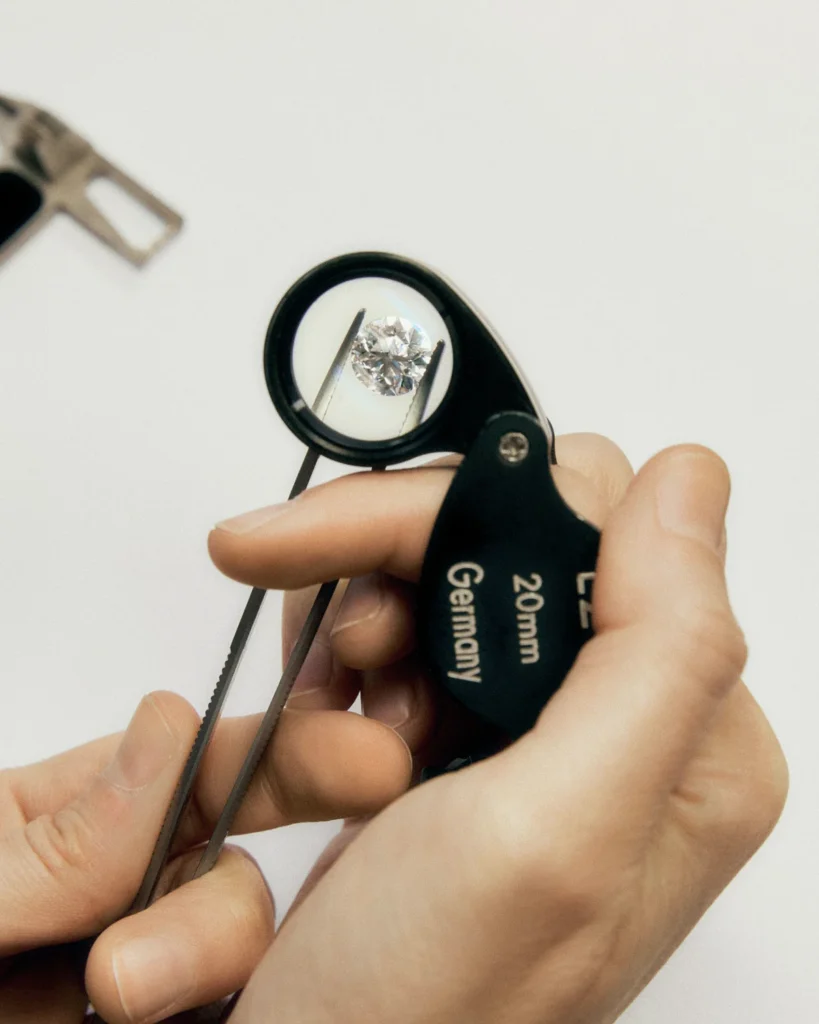
A decade ago, lab-grown diamonds were viewed as an alternative. Today, they are becoming a mainstream choice for engagement rings, diamond earrings, tennis bracelets, and fine jewelry collections around the world.
The jewelry industry is witnessing one of its biggest transformations in modern history. Consumers who once focused exclusively on mined diamonds are now exploring lab-grown diamond jewelry for its value, accessibility, and innovation. What started as a niche category has evolved into a global movement that is reshaping the way people think about luxury.
From first-time jewelry buyers to seasoned collectors, more consumers are asking important questions. Are lab diamonds real? Why are lab-grown diamond rings more affordable? Can lab-created diamonds deliver the same brilliance and durability as natural diamonds?
The answer lies in changing consumer priorities. Today’s buyers are informed, digitally connected, and focused on maximizing value without compromising on beauty. As a result, demand for lab-grown engagement rings and diamond jewelry continues to surge across major markets.
Let’s explore what’s driving this remarkable growth and what it means for the future of the jewelry industry.
What Is Driving Lab-Grown Demand?
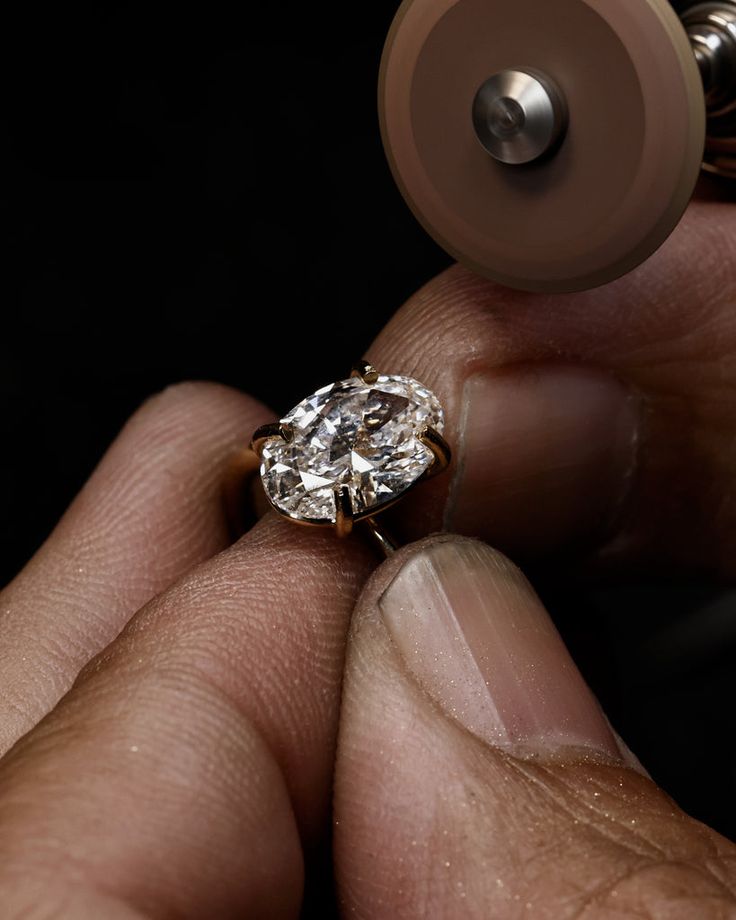
The rapid rise of lab-grown diamonds is not the result of a single trend. Instead, several factors are converging to accelerate adoption.
Consumers today are looking for:
- Greater value for money
- Larger diamond sizes within budget
- Transparency in purchasing
- Modern alternatives to traditional luxury
- Wider accessibility to fine jewelry
Lab-grown diamonds offer a compelling combination of these benefits. They are chemically, physically, and optically identical to mined diamonds while typically costing significantly less.
As awareness grows, many consumers no longer see lab-created diamonds as substitutes. Instead, they view them as a smart and contemporary choice.
Understanding Lab-Grown Diamonds
Lab-grown diamonds are created in advanced laboratories using technologies that replicate the natural diamond formation process.
The two most common methods include:
- High Pressure High Temperature (HPHT)
- Chemical Vapor Deposition (CVD)
The result is a real diamond with the same characteristics as a mined stone.
Are Lab Diamonds Real?
One of the most searched questions online is: “Are lab diamonds real?”
The answer is yes.
Lab diamonds are genuine diamonds. They possess the same hardness, brilliance, sparkle, and crystal structure as natural diamonds. Even professional gemologists often require specialized equipment to distinguish between them.
How Younger Buyers Think Differently
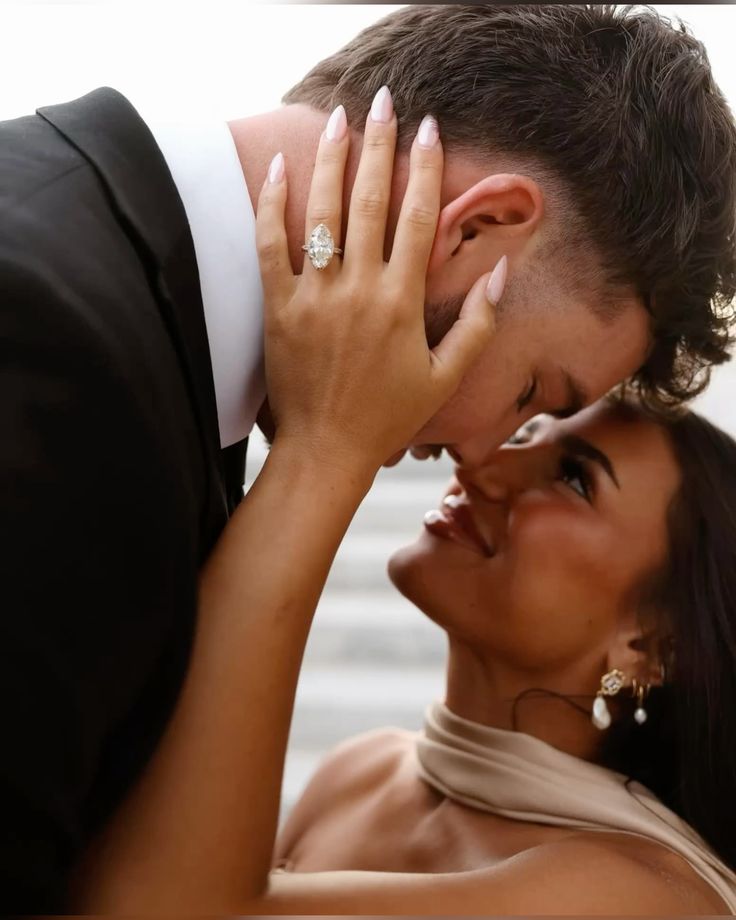
Consumer behavior is changing rapidly, especially among Millennials and Gen Z.
Unlike previous generations, younger buyers prioritize practicality alongside luxury. They often spend more time researching products online, comparing options, and evaluating value before making a purchase.
The Rise of Smart Luxury
Today’s consumers are redefining what luxury means.
Luxury is no longer solely about rarity. It is increasingly about:
- Personal expression
- Design quality
- Transparency
- Innovation
- Financial value
For many younger shoppers, choosing a lab-grown diamond engagement ring reflects thoughtful decision-making rather than compromise.
Social Media’s Influence
Platforms such as Instagram, TikTok, and Pinterest have dramatically increased exposure to lab-grown diamond jewelry.
Consumers regularly encounter:
- Lab diamond engagement rings
- Diamond tennis bracelets
- Diamond earrings
- Celebrity-inspired jewelry styles
- Side-by-side comparisons between mined and lab-grown stones
This visibility has normalized lab-grown diamonds and accelerated consumer confidence.
Price Advantage Explained

One of the strongest drivers behind lab-grown diamond demand is affordability.
Why Are Lab-Grown Diamonds More Affordable?
Unlike mined diamonds, lab-created diamonds do not require extensive mining operations, transportation networks, or geological exploration.
As production technologies improve, manufacturing becomes more efficient, resulting in lower prices.
What Does This Mean for Consumers?
A buyer who previously budgeted for a one-carat natural diamond may now be able to purchase:
- A larger lab-grown diamond
- Higher color grades
- Better clarity grades
- More elaborate jewelry settings
This pricing advantage has made luxury diamond jewelry more accessible than ever.
Popular Lab-Grown Jewelry Categories
The strongest growth is occurring in:
Lab-Grown Diamond Engagement Rings
Engagement rings remain the largest category within the lab-grown diamond market.
Couples are increasingly choosing larger center stones without significantly increasing their budget.
Diamond Earrings
Stud earrings featuring lab-created diamonds offer exceptional value and everyday luxury.
Diamond Tennis Bracelets
Consumers seeking classic diamond jewelry are discovering that lab-grown options allow them to achieve a premium look at a more approachable price point.
Diamond Rings
Fashion rings featuring lab-grown diamonds are also gaining popularity among self-purchasing consumers.
Luxury Brands and Lab-Grown Jewelry
The perception of lab-grown diamonds has evolved dramatically.
A few years ago, luxury brands approached the category cautiously. Today, many established jewelry companies have introduced lab-grown collections or are actively exploring the segment.
Why Luxury Brands Are Paying Attention
Several factors are driving interest:
- Growing consumer demand
- Increased product quality
- Market expansion opportunities
- Younger customer acquisition
Luxury brands understand that consumer preferences are changing, and they are adapting their offerings accordingly.
Innovation Is Becoming a Luxury Signal
Historically, luxury was often associated with scarcity.
Today, innovation itself has become a luxury marker.
Consumers appreciate brands that embrace advanced technology, exceptional craftsmanship, and modern design. Lab-grown diamonds fit naturally into this evolving definition of luxury.
Consumer Perception in 2026
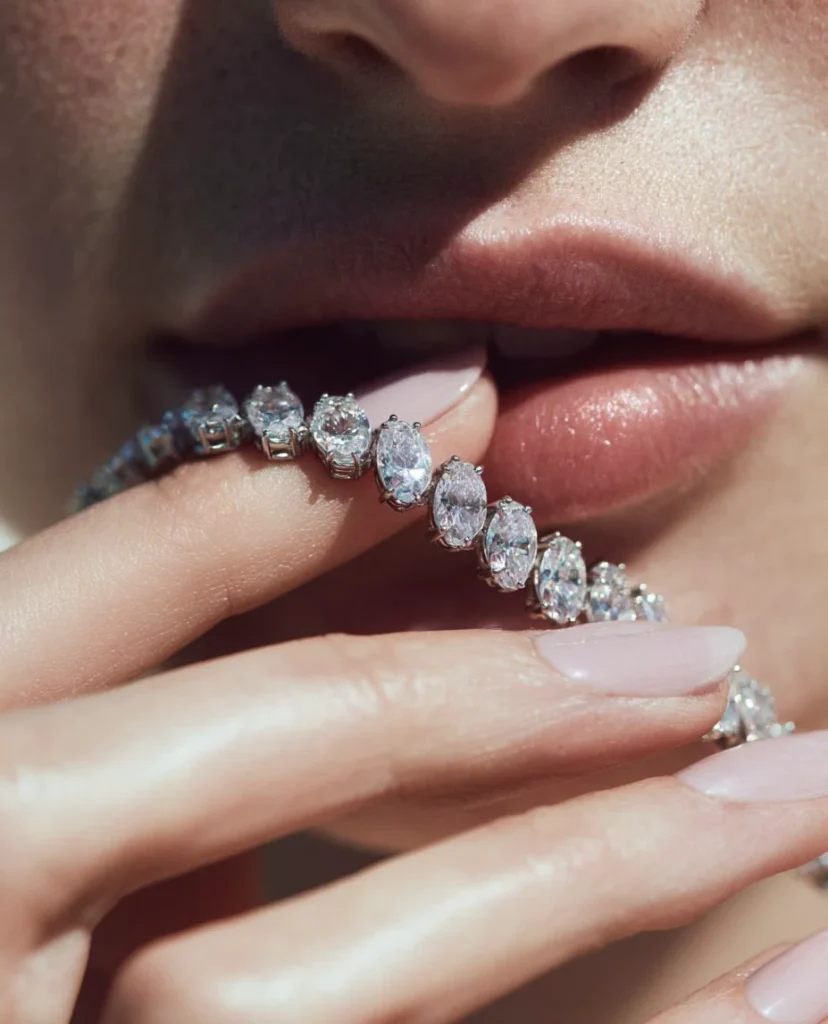
One of the most fascinating developments is how quickly public perception has shifted.
From Alternative to Mainstream
In the early stages of adoption, consumers often viewed lab-grown diamonds as secondary options.
That mindset is rapidly disappearing.
Many buyers now evaluate diamonds based on:
- Appearance
- Quality
- Design
- Budget
- Brand reputation
Rather than focusing solely on origin.
Education Is Driving Confidence
Consumers have access to more information than ever before.
Online resources, jewelers, influencers, and industry publications have helped educate buyers about:
- Diamond grading
- Lab-grown production
- Certification standards
- Jewelry value
As understanding increases, hesitation decreases.
Growth in Engagement Jewelry
Engagement rings for women continue to be one of the strongest categories benefiting from changing perceptions.
Many couples are prioritizing:
- Larger center stones
- Customized designs
- Better overall value
This trend continues to strengthen demand for lab-grown diamond engagement rings.
Styling Lab-Grown Diamond Jewelry
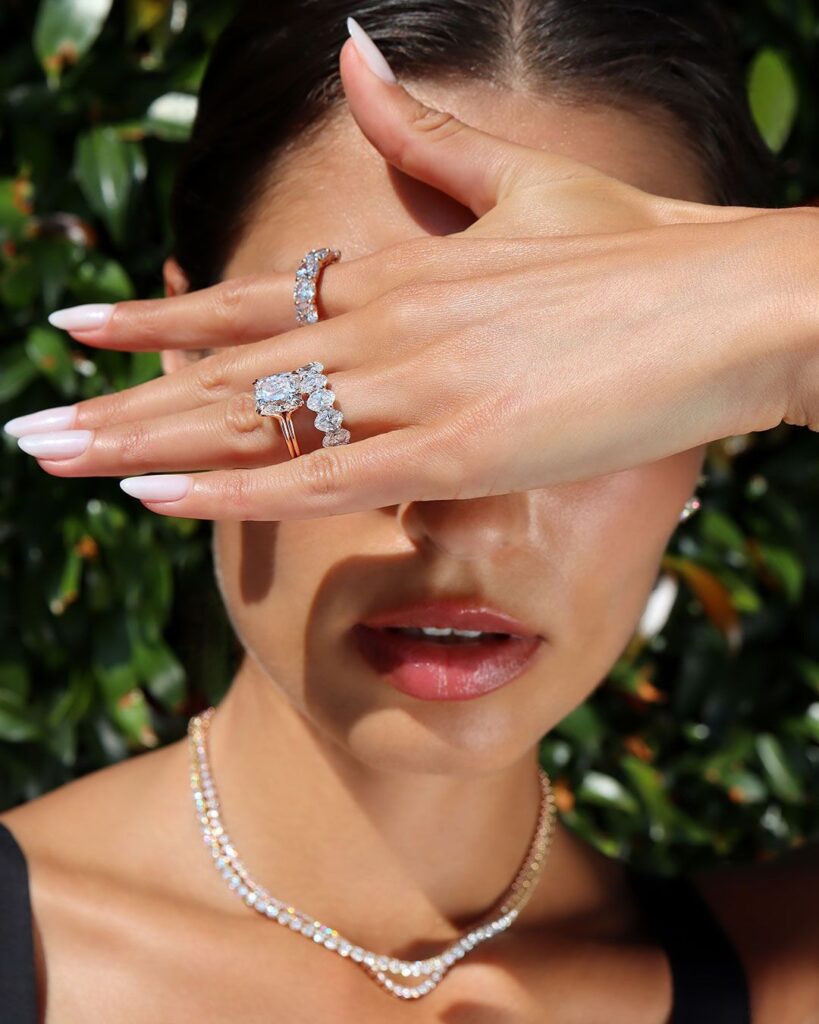
Beyond engagement rings, consumers are embracing lab-grown diamonds across various jewelry categories.
Everyday Diamond Earrings
Classic diamond studs remain a wardrobe essential that pairs effortlessly with casual and formal attire.
Layered Diamond Jewelry
Modern styling trends encourage mixing:
- Tennis necklaces
- Diamond pendants
- Layered chains
- Diamond bracelets
Lab-grown diamonds make these luxury looks more attainable.
Statement Rings
Bold cocktail rings and fashion-forward diamond rings are becoming popular among younger consumers seeking self-expression.
Bridal Jewelry Sets
Brides increasingly select coordinated sets featuring:
- Engagement rings
- Wedding bands
- Diamond earrings
- Tennis bracelets
Lab-grown diamonds allow for a cohesive luxury aesthetic while maintaining budget flexibility.
The Global Growth of Lab-Grown Jewelry
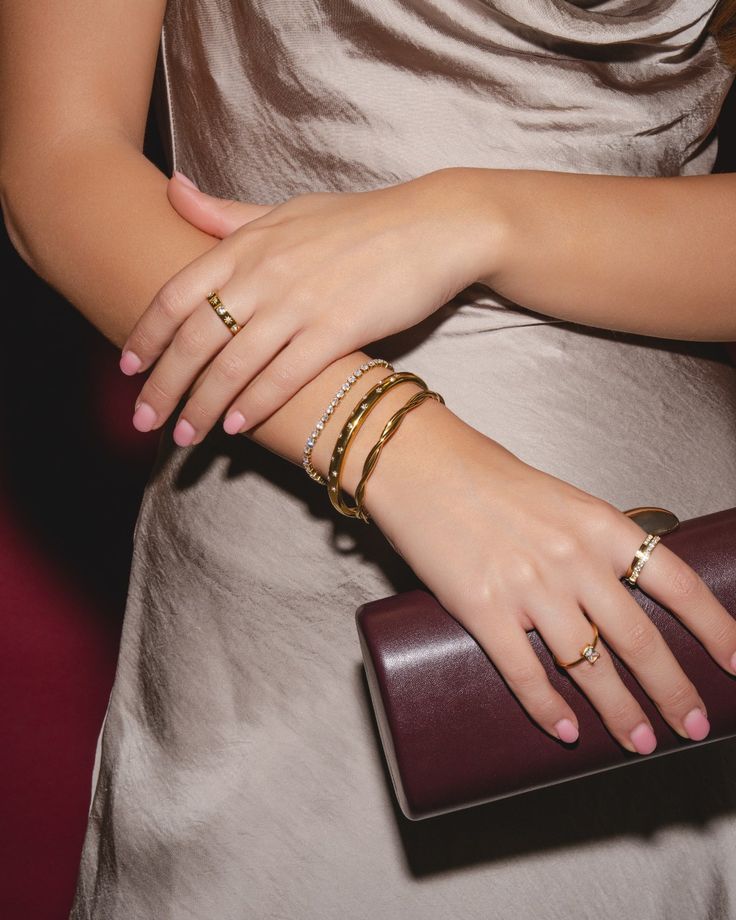
The market for lab-grown diamonds continues expanding across North America, Europe, Asia, and emerging jewelry markets.
Several factors contribute to this growth:
E-Commerce Expansion
Online jewelry retailers have made lab-grown diamonds more accessible than ever.
Consumers can:
- Compare pricing
- View certifications
- Customize jewelry
- Research diamond specifications
All from the comfort of home.
Retail Adoption
More brick-and-mortar jewelers now offer lab-grown collections, allowing customers to view and compare products in person.
Growing Consumer Awareness
As education improves, adoption continues accelerating across demographics.
What Happens Next?
The future of lab-grown jewelry looks remarkably strong.
Several developments are expected to shape the next phase of growth:
Increased Market Share
Lab-grown diamonds are likely to capture an even larger portion of the diamond jewelry market.
Greater Design Innovation
Jewelry brands will continue creating unique collections specifically designed around lab-grown stones.
Expanded Consumer Choice
Consumers will benefit from more options across:
- Engagement rings
- Diamond earrings
- Tennis bracelets
- Fine jewelry collections
- Fashion jewelry
Continued Industry Evolution
Rather than replacing natural diamonds entirely, lab-grown diamonds are creating a broader marketplace where consumers can choose the option that best aligns with their preferences and budget.
The jewelry industry is entering an era defined by flexibility, innovation, and personalization.
And lab-grown diamonds are at the center of that transformation.
Top 5 Lab-Grown Jewelry Brands
1. VRAI
VRAI is one of the leading luxury lab-grown diamond brands, specializing in engagement rings and fine jewelry. Its modern designs and premium positioning have made it a favorite among contemporary jewelry buyers.
2. Brilliant Earth
Brilliant Earth is a well-known jewelry retailer offering a large collection of lab-grown diamond engagement rings and fine jewelry. The brand helped popularize lab-grown diamonds among mainstream consumers.
3. Kimai
Kimai creates contemporary fine jewelry featuring lab-grown diamonds and modern minimalist designs. The brand is particularly popular among younger luxury consumers looking for stylish everyday jewelry.
4. Lark & Berry
Lark & Berry was among the first luxury brands to exclusively use lab-grown diamonds in its collections. The company is known for bold designs and helping elevate lab-grown diamonds within the luxury jewelry segment.
5. Dev Jewels
Dev Jewels offers lab-grown diamond jewelry, custom jewelry manufacturing. The brand is known for combining craftsmanship with customization, making it a strong choice for retailers and consumers alike.
Conclusion
Lab-grown diamonds have evolved from a niche innovation into one of the most influential forces shaping the jewelry industry in 2026. Their combination of beauty, affordability, accessibility, and technological advancement continues to attract modern consumers worldwide.
Whether purchasing a lab-grown diamond engagement ring, diamond earrings, a tennis bracelet, or a statement ring, today’s buyers are embracing a new definition of luxury—one that values informed choices, exceptional craftsmanship, and meaningful design.
As consumer attitudes continue to evolve, lab-grown diamond jewelry is positioned to remain one of the fastest-growing segments in the global jewelry market.
FAQs
1. Are lab-grown diamonds real diamonds?
Yes. Lab-grown diamonds are chemically, physically, and optically identical to natural diamonds.
2. Why are lab-grown diamonds less expensive?
They can be produced more efficiently than mined diamonds, reducing overall costs.
3. Do lab-grown diamonds sparkle like natural diamonds?
Yes. They have the same brilliance, fire, and sparkle as mined diamonds.
4. Are lab-grown diamond engagement rings popular?
Yes. They are among the fastest-growing categories in the jewelry industry.
5. Can lab-grown diamonds be certified?
Yes. Leading gemological laboratories provide grading reports for lab-grown diamonds.
6. Are lab-grown diamonds durable?
Absolutely. Lab-grown diamonds rank 10 on the Mohs hardness scale, just like natural diamonds.
7. Will lab-grown diamonds continue growing in popularity?
Industry trends indicate continued growth as consumer awareness and acceptance increase.